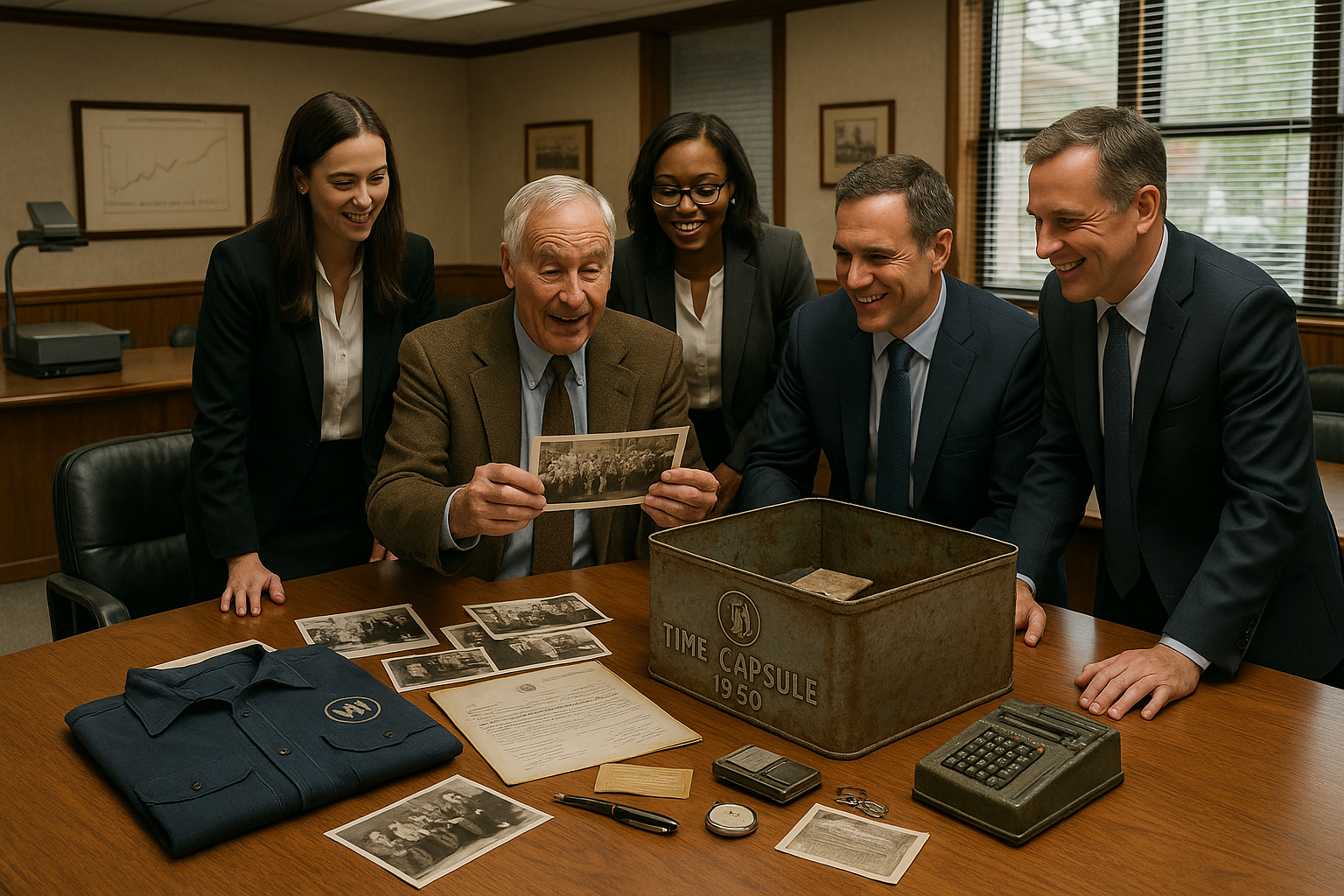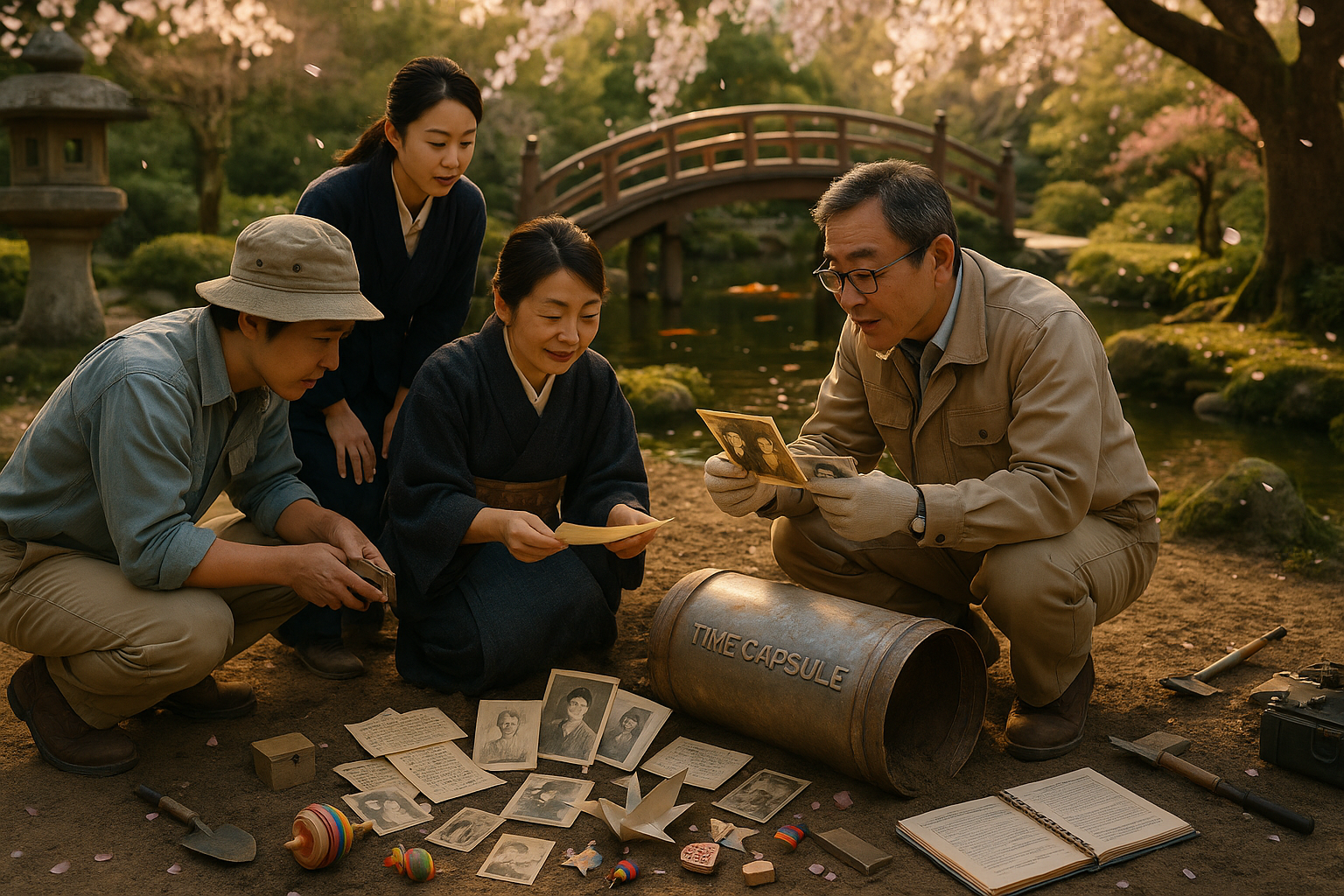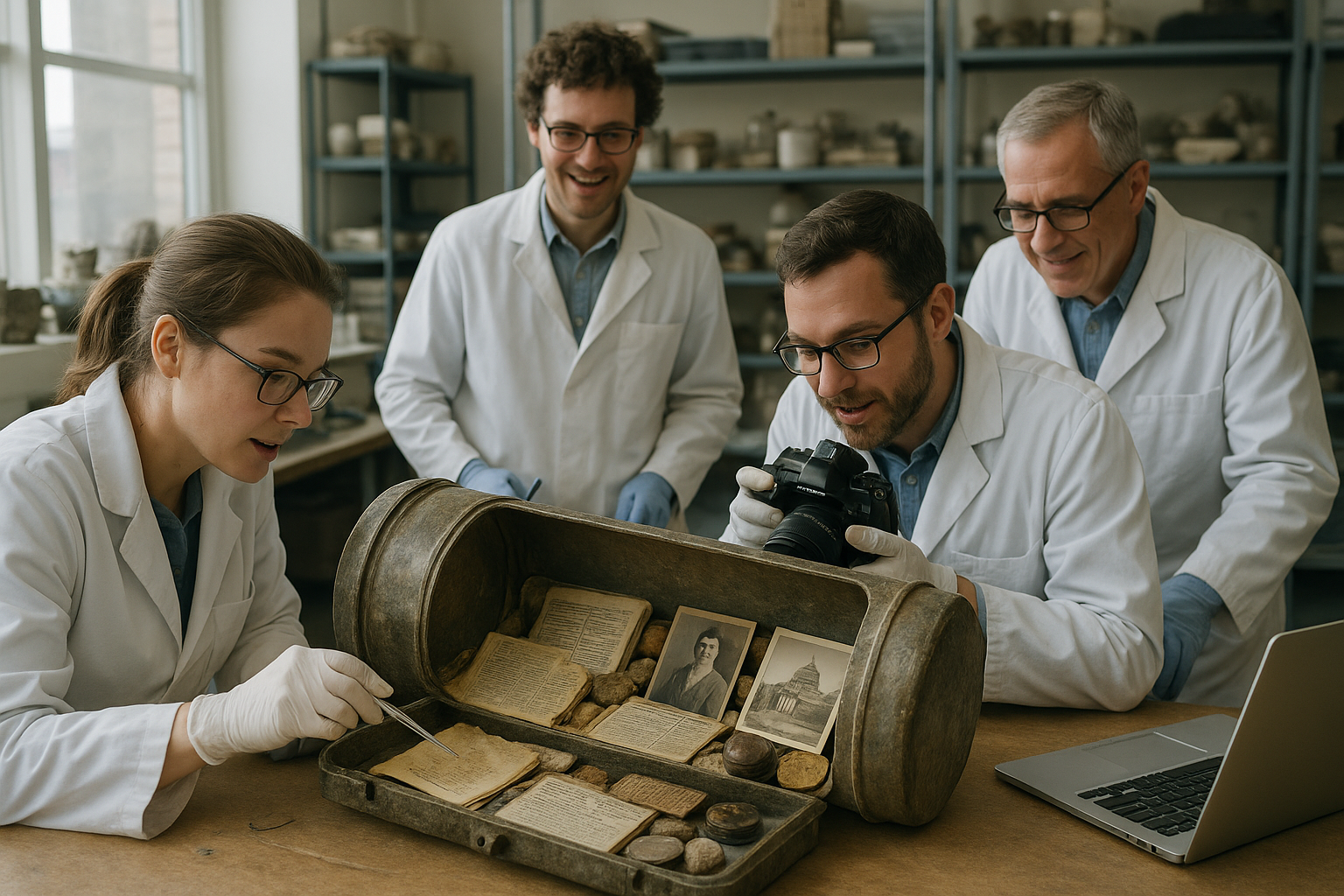
In a world that constantly races forward, where moments slip through our fingers like grains of sand, there’s a quiet yet profound movement growing in communities around the globe: the creation of memory boxes. These aren’t just any boxes; they are sealed community memory boxes, filled with the collective experiences, hopes, and dreams of the people who contributed to them. They serve as time capsules, preserving the essence of a moment for future generations to discover and cherish. 📦✨

The allure of these memory boxes lies in their ability to capture the ephemeral — to freeze a slice of life that can be revisited and relived long after it has passed. But what exactly are these boxes, and why are they becoming a focal point for communities seeking to connect with their past while embracing their future?
The concept of memory boxes isn’t entirely new; people have been collecting and storing memories for centuries. However, the recent resurgence in community-driven initiatives to create and seal these boxes marks a shift towards a more collaborative and inclusive approach. Unlike personal memory boxes, community memory boxes are filled with items and stories from a diverse group of individuals, each contributing their unique perspective and voice. This makes them powerful tools for fostering a sense of belonging and continuity across generations.
So, what drives communities to embark on such projects? The answer is as varied as the communities themselves, but at the heart of it all is a desire to create a tangible link between the past, present, and future. By sealing away these memories, communities are saying, “We were here. We mattered. This is our story.” It’s an act of preservation, but also one of hope — hope that the future will look back and see the value in what was left behind.
As we dive deeper into this topic, we’ll explore the different elements that make up a community memory box, from the types of items typically included to the stories that give them life. We’ll look at how communities decide what to preserve and the careful thought that goes into choosing each item. 📸📜
We’ll also discuss the emotional and social benefits of creating these memory boxes. They can strengthen community bonds, providing opportunities for intergenerational dialogue and understanding. In an age where digital communication often trumps face-to-face interactions, these projects offer a refreshing return to tangible, meaningful exchanges.
Moreover, we’ll examine the role of these boxes in education and cultural preservation. How do they serve as educational tools, teaching younger generations about their heritage and the shared history of their community? And how do they help preserve cultural identities that might otherwise fade with time?
But, creating a memory box isn’t without its challenges. Communities must navigate questions of representation and inclusivity, ensuring that the memories and experiences captured reflect the diversity of voices within them. We’ll delve into these complexities and discuss best practices for making these projects as inclusive and representative as possible.
Finally, we’ll look to the future. What happens when a memory box is opened? How do the contents impact those who discover them, and what can they teach us about the continuity of human experience? As we unlock the magic of sealed community memory boxes, we’ll consider their potential to inspire new projects and forge connections that transcend time. 🌍⏳
Join us on this journey to uncover the stories and significance of these fascinating artifacts. Whether you’re part of a community considering your own project or simply curious about this growing trend, there’s something to learn and appreciate about the magic of preserving moments in time. Let’s open the lid on this captivating subject and see what treasures lie inside. 🗝️
Conclusion
## Bringing It All Together
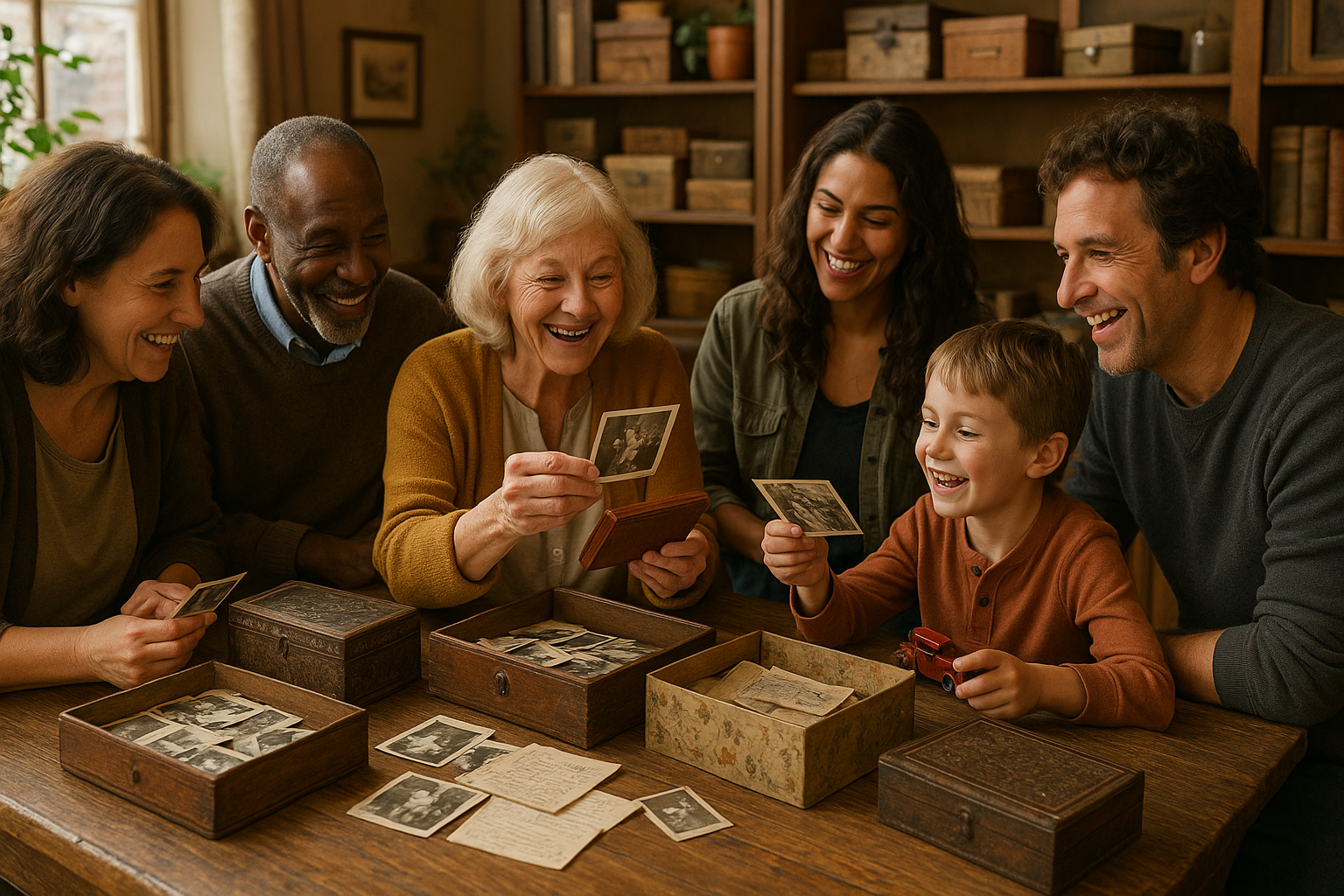
Community memory boxes represent far more than simple collections of photographs and keepsakes—they’re living archives that breathe life into the stories that define who we are. When we gather together to fill these boxes with mementos, letters, and treasured objects, we’re doing something profoundly important: we’re ensuring that the voices of our community members won’t fade into silence. These tangible repositories become bridges between generations, allowing grandchildren to hold the same concert ticket their grandmother clutched decades ago, or read the handwritten recipes that fed families through difficult times. The magic lies not just in the objects themselves, but in the conversations they spark, the memories they unlock, and the connections they forge between past and present.
Starting a community memory box project in your neighborhood or organization doesn’t require extensive resources or expertise—just genuine curiosity and a commitment to preserving what matters. Whether you’re documenting the evolution of a local business district, capturing the experiences of longtime residents, or preserving the cultural heritage of immigrant families, you’re participating in an act of collective remembrance that strengthens community bonds. The beauty of these projects is their flexibility; they can be as simple as a decorated shoebox in a community center or as elaborate as a curated collection in your local library. What remains constant is their power to validate individual experiences while weaving them into the larger tapestry of community identity.
So gather your neighbors, reach out to local historians, and start collecting the fragments of memory that might otherwise slip away. The stories waiting to be discovered in your community are irreplaceable, and the time to preserve them is now—because every memory saved is a piece of magic we can pass forward to those who come after us.