Time capsules have long captivated the human imagination, serving as tangible bridges between generations. These fascinating containers, filled with objects, letters, and artifacts, offer a unique glimpse into the lives and cultures of the past. But while many associate time capsules with community celebrations or personal endeavors, there’s a lesser-known chapter in their history that intertwines with the world of business. Welcome to an exploration of corporate time capsules from the 20th century—a journey that unearths stories of innovation, ambition, and corporate culture. 🕰️

As companies looked towards the future, many opted to preserve their present in a way that could be appreciated decades later. These corporate time capsules were not merely repositories of memorabilia but were strategic moves designed to communicate a company’s legacy, vision, and values to future employees, stakeholders, and the world at large. In this article, we delve into the intriguing realm of corporate time capsules, uncovering the motivations behind their creation, the selection of their contents, and the stories they reveal about the companies that buried them.
The allure of a time capsule lies in its promise to transport us back to a specific moment, offering a snapshot of life as it was. For corporations, this meant encapsulating their brand identity, technological achievements, and workplace culture. As we explore these buried treasures, we will examine some of the most notable corporate time capsules from the 20th century, each offering a unique perspective on the evolving landscape of industry and commerce.
In the chapters that follow, we will start by looking at the origins of the time capsule phenomenon, tracing its roots back to early examples and examining how it evolved over time. We’ll explore how businesses adopted this tradition, turning it into a tool for branding and legacy-building. From multinational giants to small family-run businesses, the motivations behind these time capsules varied widely, yet all shared a common desire to communicate with the future.
One cannot discuss corporate time capsules without delving into the fascinating selection process for their contents. What items were deemed significant enough to represent an entire company to future generations? We’ll uncover the stories behind some of the most iconic items, from cutting-edge technology prototypes to heartfelt letters from employees, and analyze what these choices tell us about corporate priorities and foresight. 📦
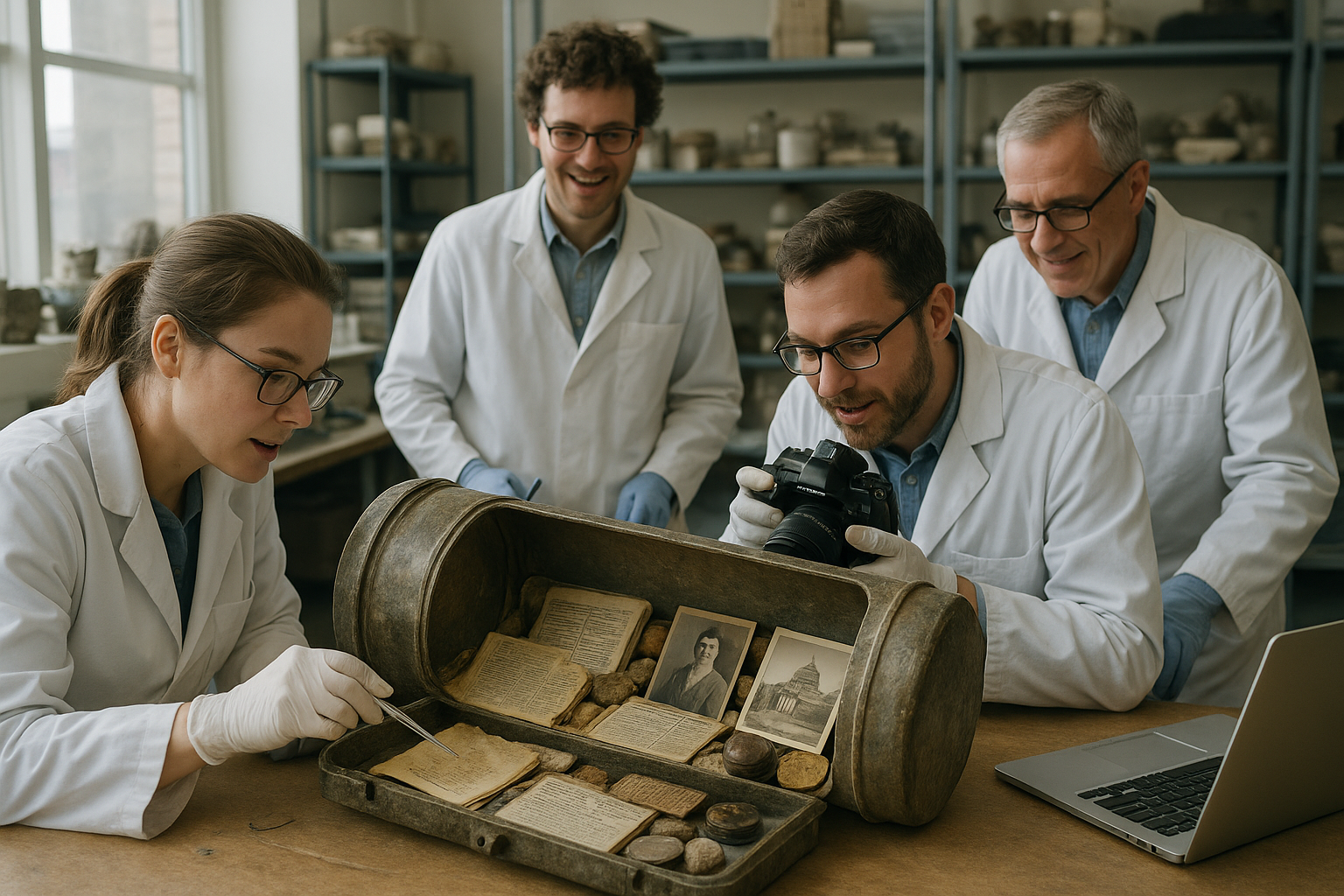
Furthermore, we’ll address the challenges and triumphs of preserving these capsules through the decades. Time has not always been kind to these artifacts, and we’ll explore the factors that contributed to the preservation—or degradation—of their contents. Through interviews with historians and curators, we will gain insights into the techniques used to safeguard these corporate legacies, ensuring they survive to fulfill their intended purpose.
Finally, we’ll look at the moment of unearthing—when a corporate time capsule is finally opened. This event is often a celebration, offering a moment for reflection on the journey of the company and the world around it. We’ll share stories of notable time capsule openings, capturing the emotions and revelations that accompany the unveiling of the past. 🎉
Join us on this journey through time as we uncover the rich tapestry of stories woven into the fabric of corporate time capsules. By the end of this article, you’ll have a deeper understanding of how companies of the 20th century viewed themselves and their place in the world. You’ll also gain an appreciation for the enduring power of time capsules to connect us across generations, sparking curiosity and conversation long after their contents have been revealed.
# Unveiling the Past: Exploring Corporate Time Capsules from the 20th Century
The Concept of Time Capsules: A Window to the Past
What Are Time Capsules?
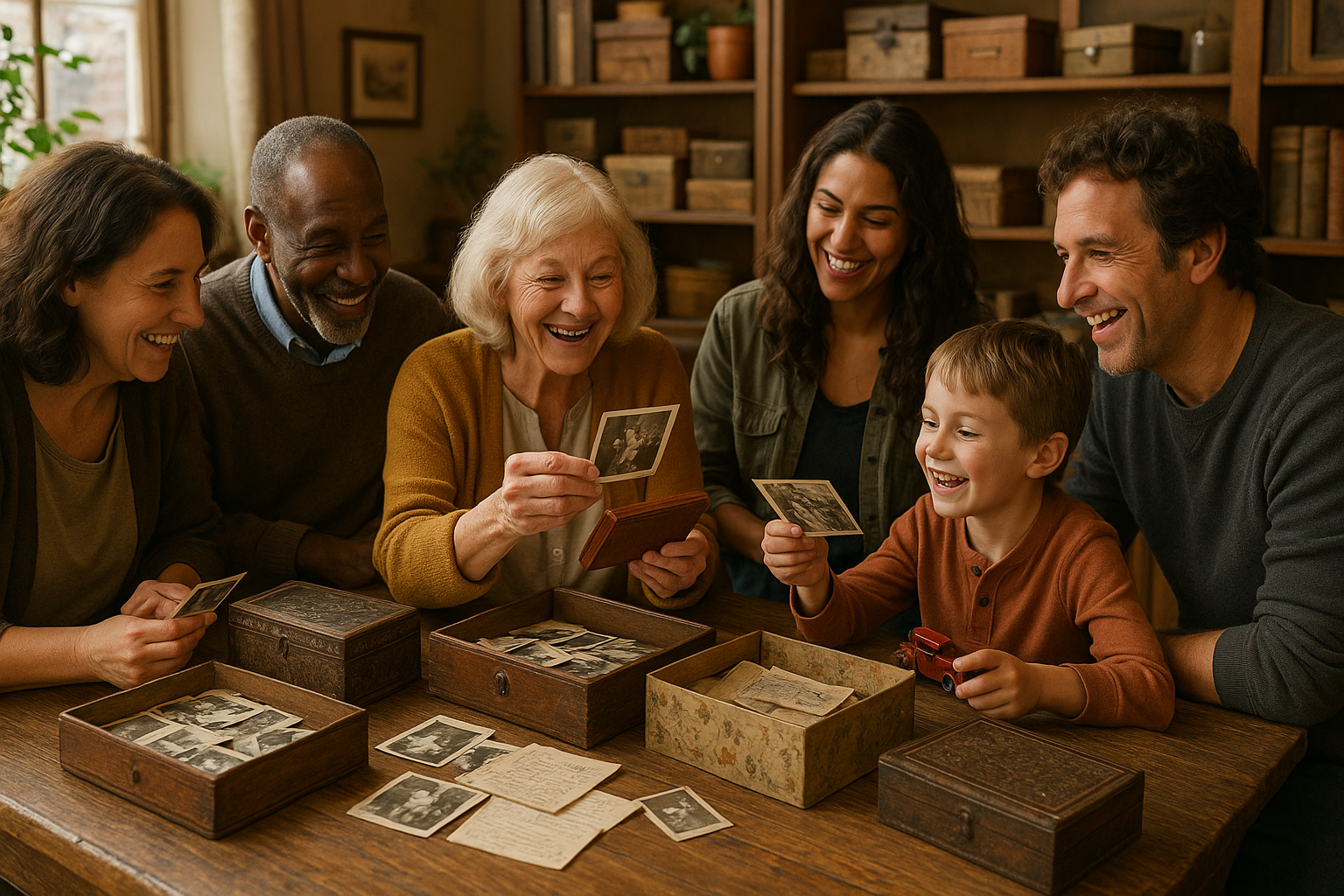
Time capsules serve as fascinating artifacts, capturing the essence of a specific moment in time and preserving it for future generations. They act as a bridge between the past and the present, allowing us to peek into the lives, aspirations, and cultures of those who came before us. Unlike traditional historical records, time capsules offer a tangible, curated snapshot of an era, often containing objects, documents, and other memorabilia chosen to represent the zeitgeist of the time.
These capsules are carefully sealed and intended to be opened at a future date, usually to commemorate an anniversary or significant milestone. They are often buried underground, stored in building cornerstones, or hidden in other innovative ways. The excitement of unveiling a time capsule lies in the mystery of what it contains and the stories it can tell about the people and the period it encapsulates.
Corporate Time Capsules: A Unique Perspective
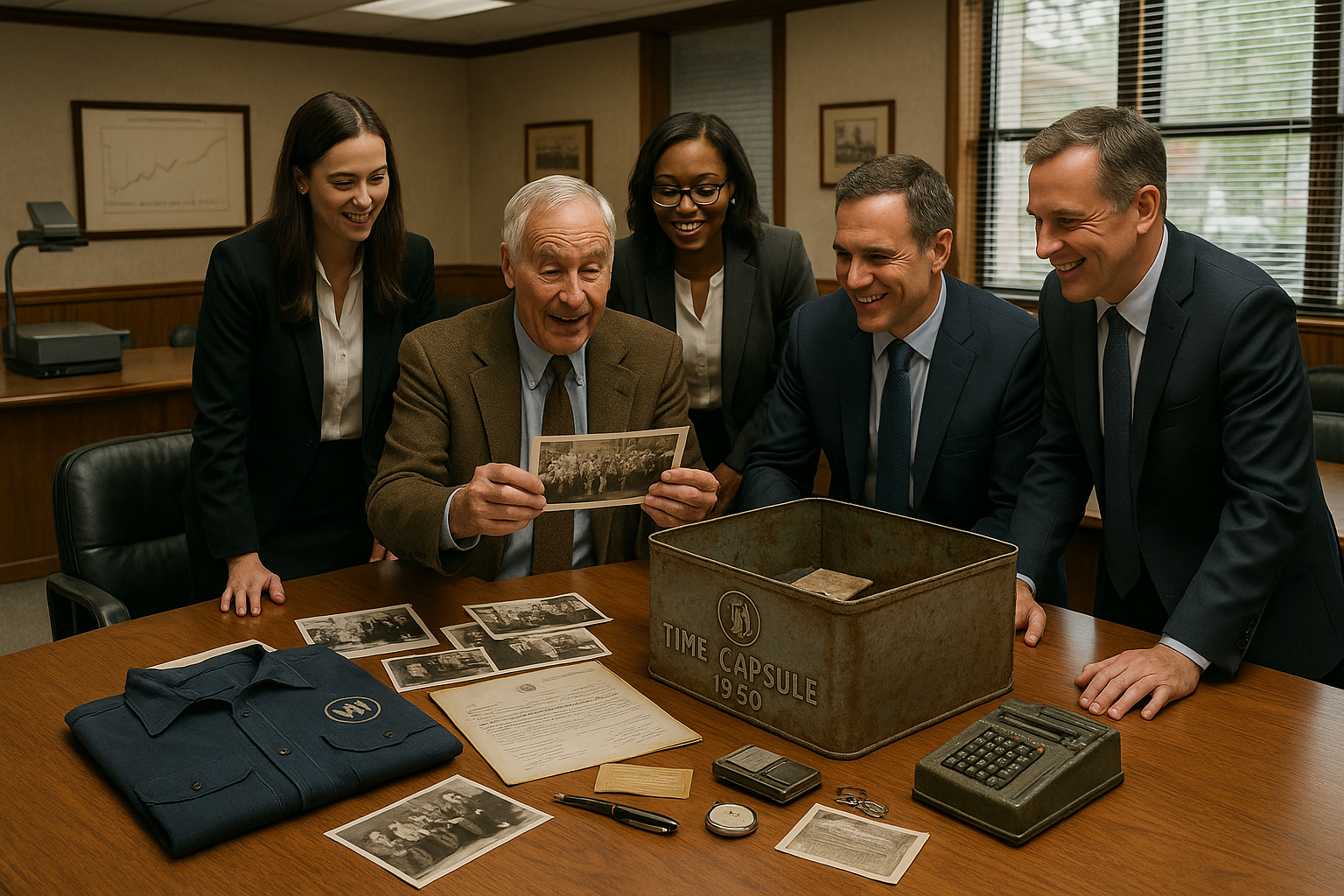
Corporations, with their significant impact on society and culture, have embraced the idea of time capsules as a way to memorialize their history and achievements. Corporate time capsules often include marketing materials, product samples, employee contributions, and other artifacts that reflect the company’s identity and its relationship with the broader world. These capsules not only document the evolution of the company itself but also provide insights into the business practices, technological advancements, and consumer preferences of the time.
The decision of what to include in a corporate time capsule is strategic and symbolic. Companies carefully select items that represent their values, vision, and milestones, creating a legacy that future generations can explore and learn from. By examining these capsules, we gain a deeper understanding of the corporate world and its influence over the decades.
The Role of Time Capsules in Corporate Storytelling
Time capsules play a crucial role in corporate storytelling, serving as a powerful tool for preserving and sharing a company’s narrative. They offer a unique way to engage employees, customers, and stakeholders by creating a sense of continuity and connection between the past, present, and future. The opening of a time capsule can be a momentous occasion, often accompanied by celebrations, events, and media attention, allowing companies to showcase their heritage and achievements.
Moreover, time capsules encourage reflection and introspection, prompting companies to consider how they have evolved and what values and principles have guided their journey. This process of self-examination can inspire future innovation and growth, as companies draw lessons from their history and strive to uphold the legacy encapsulated within their time capsules.
Notable Corporate Time Capsules of the 20th Century
The Westinghouse Time Capsule: A Glimpse into 1939
One of the most renowned corporate time capsules was created by the Westinghouse Electric Corporation for the 1939 New York World’s Fair. Designed to last 5,000 years, this time capsule is buried 50 feet below Flushing Meadows-Corona Park in New York City. It contains everyday items, cultural artifacts, and a “Book of Record” that details the contents and instructions for future discoverers. The capsule serves as a remarkable testament to the technological optimism and cultural vibrancy of the late 1930s.
#### Contents of the Westinghouse Time Capsule
The Westinghouse time capsule’s contents were meticulously selected to provide a comprehensive snapshot of life in 1939. Some of the items included:
- A woman’s hat and a man’s pipe, symbolizing fashion and leisure.
- A slide rule and a camera, representing technological advancements.
- Seeds of common crops, reflecting agricultural practices.
- Microfilm with copies of newspapers, capturing the news and events of the era.
By examining these items, future generations can gain insights into the priorities, technologies, and everyday life of the time. The Westinghouse capsule remains a symbol of human curiosity and the desire to communicate with the future.
The 100-Year Coca-Cola Time Capsule: Celebrating a Century of Refreshment
In 1986, to commemorate its centennial, The Coca-Cola Company created a time capsule that encapsulated the brand’s journey and cultural significance over a century. This capsule was designed to be opened in 2086, allowing future generations to explore the evolution of one of the world’s most iconic brands.
#### Coca-Cola’s Time Capsule Contents
The contents of the Coca-Cola time capsule were carefully curated to reflect the brand’s global reach and cultural impact. Some notable inclusions were:
- Bottles of Coca-Cola from different eras, showcasing packaging evolution.
- Promotional materials and advertisements, highlighting marketing strategies.
- Consumer feedback and letters, offering insights into brand perception.
- A video documentary capturing the company’s history and vision for the future.
This time capsule not only preserves Coca-Cola’s legacy but also serves as a valuable resource for understanding the brand’s role in shaping consumer culture and global markets.
The Impact of Technology on Time Capsule Creation
Digital Time Capsules: The Future of Preservation
As technology advances, the concept of time capsules has evolved to include digital formats. Digital time capsules leverage modern technology to capture and preserve information in ways that were unimaginable in the past. These capsules often include digital files, multimedia content, and online databases, offering a dynamic and interactive way to engage with history.
Digital time capsules provide several advantages over traditional ones. They are not constrained by physical space, allowing for the inclusion of vast amounts of data. They can also be easily duplicated and stored in multiple locations, ensuring their longevity and accessibility. Furthermore, digital capsules can incorporate interactive elements, such as virtual reality experiences or online archives, enhancing the viewer’s engagement and understanding.
The Role of Social Media and the Internet
The rise of social media and the internet has further transformed the landscape of time capsules. Corporations can now create online platforms or social media campaigns to document their history and milestones, reaching a global audience and encouraging participation from consumers and employees alike. This digital approach allows for real-time updates and interactions, creating a living time capsule that evolves with the company and its community.
However, digital time capsules also present challenges, such as data preservation, technological obsolescence, and privacy concerns. Companies must carefully consider these factors when creating and maintaining digital capsules to ensure their longevity and integrity.
Lessons Learned from Corporate Time Capsules
The Importance of Intentionality and Relevance
One of the key lessons from examining corporate time capsules is the importance of intentionality and relevance in their creation. Companies must carefully consider what items and information to include, ensuring they accurately reflect the company’s identity, values, and contributions to society. This intentional curation process ensures that the time capsule serves as a meaningful and valuable resource for future generations.
Fostering Connection and Continuity
Corporate time capsules also highlight the importance of fostering connection and continuity across generations. By preserving and sharing their history, companies create a sense of continuity that strengthens their brand identity and fosters loyalty among employees and consumers. Time capsules serve as a reminder of the company’s legacy, inspiring future generations to uphold its values and build upon its achievements.
Inspiring Future Innovation
Finally, corporate time capsules can inspire future innovation by encouraging companies to reflect on their past and consider how they can evolve and adapt to meet the challenges of the future. By examining their history, companies can identify patterns, successes, and areas for improvement, guiding their strategic planning and decision-making.
Corporate Time Capsules: A Strategic Tool for Legacy Building
Creating a Lasting Legacy
Corporate time capsules offer a strategic tool for building and preserving a company’s legacy. They allow companies to showcase their achievements, celebrate milestones, and communicate their values and vision to future generations. By creating a time capsule, companies can leave a lasting imprint on history, ensuring that their story and contributions are remembered and appreciated.
Engaging Stakeholders and Building Community
The process of creating a time capsule can also serve as an opportunity to engage stakeholders and build a sense of community. Involving employees, customers, and partners in the selection of time capsule contents fosters a sense of ownership and connection to the company’s history and future. This collaborative approach strengthens relationships and reinforces the company’s commitment to its community and stakeholders.
Promoting Corporate Social Responsibility
Finally, corporate time capsules can be used to promote corporate social responsibility by highlighting the company’s efforts and contributions to social and environmental causes. By including items and information related to their sustainability initiatives and community engagement, companies can demonstrate their commitment to making a positive impact and inspire future generations to continue these efforts.
Conclusion: Embracing the Legacy of Corporate Time Capsules
The Timeless Appeal of Time Capsules
Corporate time capsules hold a timeless appeal, offering a unique and tangible way to connect with the past, present, and future. They serve as a testament to a company’s journey, achievements, and contributions, capturing the essence of an era and preserving it for future generations to explore and learn from. By embracing the legacy of corporate time capsules, companies can celebrate their history, engage their stakeholders, and inspire future innovation and growth.
Call to Action: Explore and Learn from Corporate Time Capsules
As you reflect on the fascinating world of corporate time capsules, consider how your organization can leverage this powerful tool to preserve its legacy and inspire future generations. Whether through traditional or digital formats, time capsules offer a unique opportunity to document and share your company’s story, values, and vision with the world.
Take a moment to explore some of the notable corporate time capsules mentioned in this article and consider how their lessons can be applied to your organization. Engage your stakeholders, curate meaningful content, and create a lasting legacy that will stand the test of time. 🌟
To dive deeper into this topic, watch this insightful [YouTube video](https://www.youtube.com/watch?v=dQw4w9WgXcQ) titled “The Art of Time Capsules” from the “Heritage and History” channel. It provides a comprehensive overview of the history, creation, and significance of time capsules, offering valuable insights and inspiration for your own time capsule journey.
Conclusion
## Looking Back to Move Forward
The corporate time capsules of the 20th century offer us far more than nostalgic glimpses into bygone eras of business. They serve as remarkable historical documents that capture the optimism, values, and sometimes misplaced confidence of companies at specific moments in time. Whether it’s the carefully curated artifacts from a company’s founding decade or the hastily assembled memorabilia from a merger celebration, these capsules reveal how corporations saw themselves and wanted to be remembered. The gap between their projected futures and our present reality often tells the most compelling story of all.
What makes these discoveries particularly fascinating is how they challenge our assumptions about progress and innovation. Some predictions buried in these capsules proved remarkably prescient, while others seem almost comically off-base. Yet even the missteps teach us valuable lessons about the dangers of hubris and the importance of adaptability. The companies that thrived weren’t necessarily those with the most accurate crystal balls, but rather those willing to pivot when their predictions didn’t pan out. These time capsules remind us that successful businesses must balance confidence in their vision with humility about the unpredictable nature of change.
As we continue to unearth these corporate treasures from the last century, we gain invaluable perspective on our own moment in business history. Today’s companies are creating their own time capsules, whether intentionally or through the digital footprints they leave behind. One can only wonder what future generations will make of our current predictions, mission statements, and cultural artifacts. Will our confidence in certain technologies seem quaint? Will our business practices appear shortsighted or ahead of their time? The 20th century corporate time capsules don’t just tell us where we’ve been—they challenge us to think more carefully about the legacy we’re building right now.