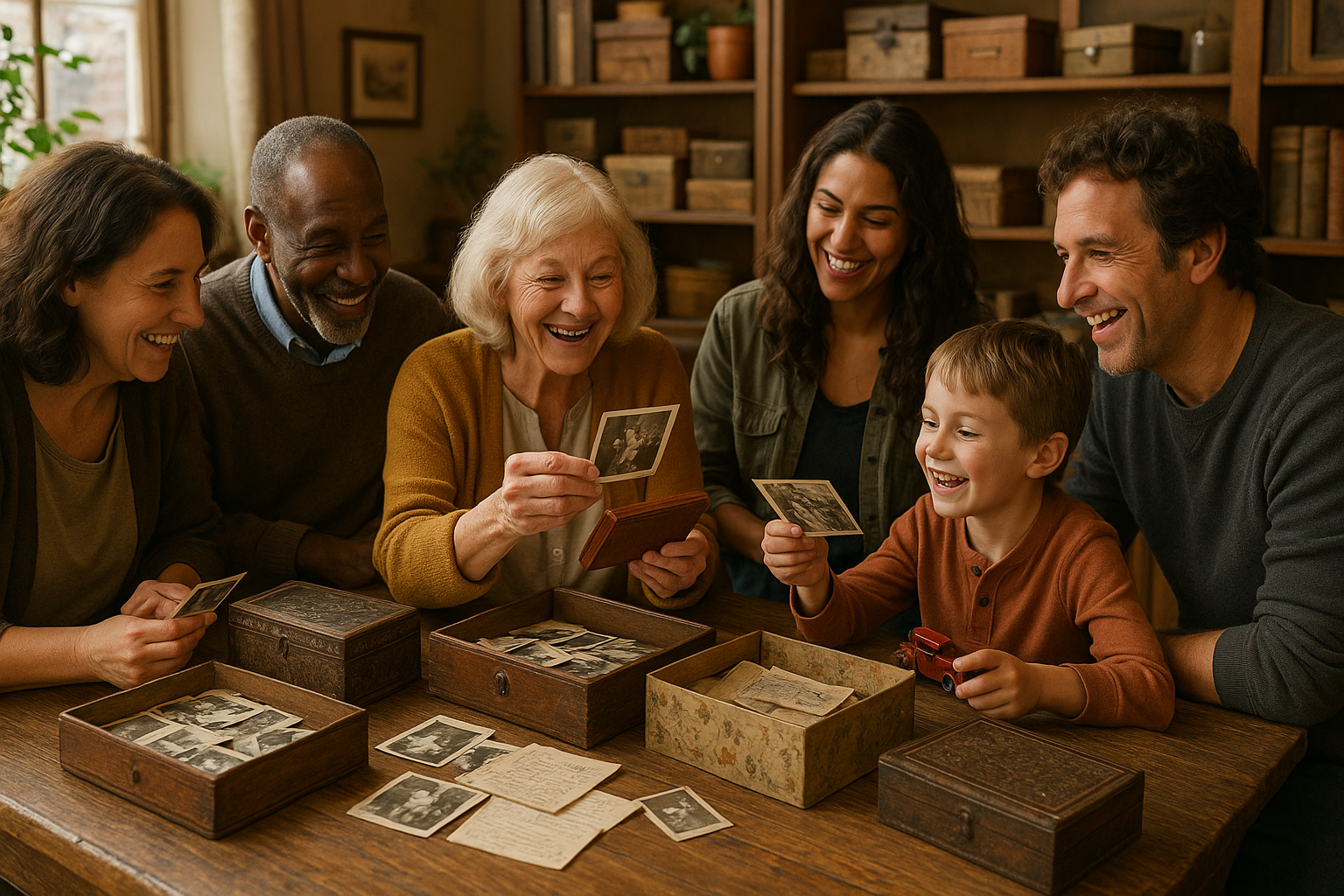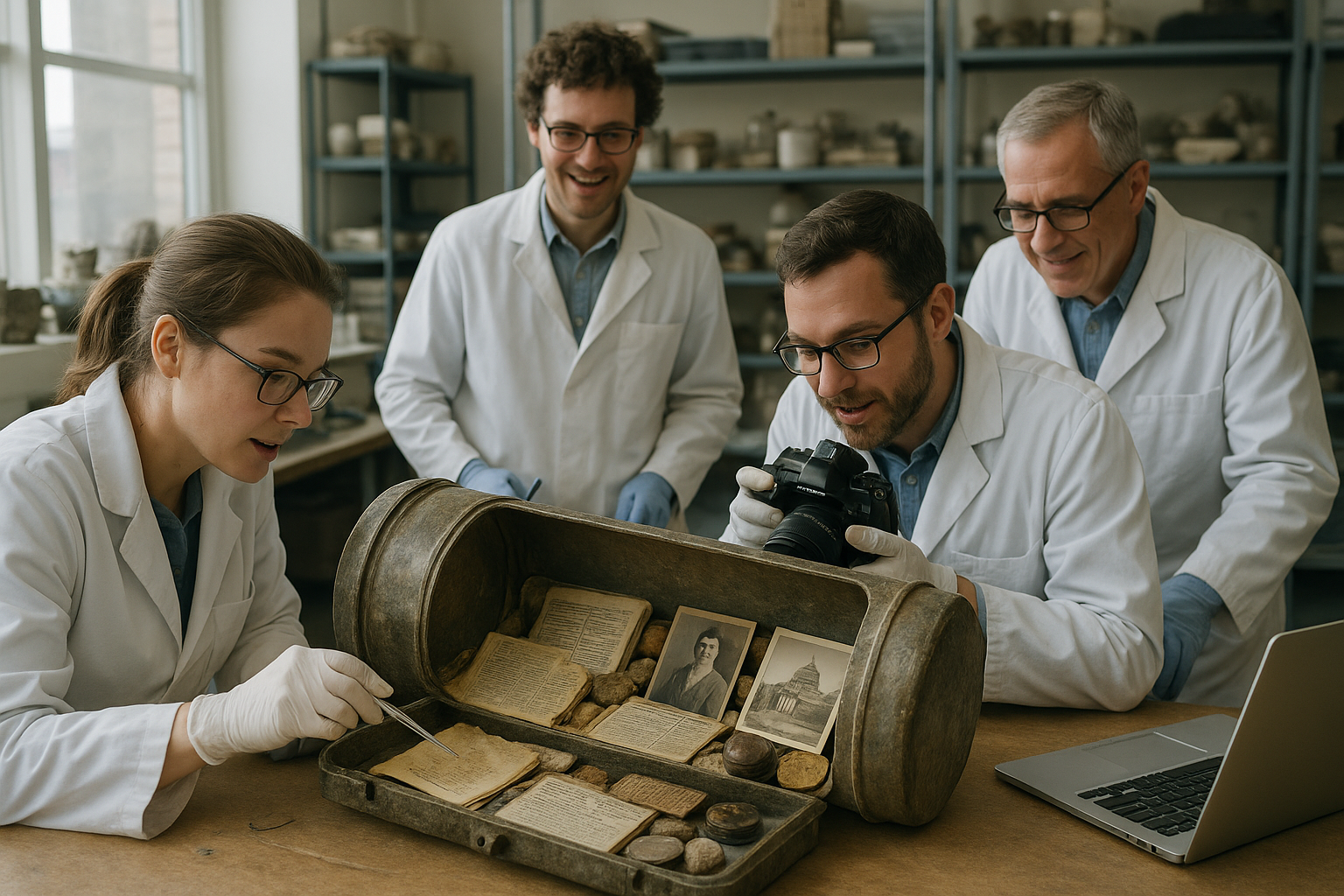
Japan, a land where tradition seamlessly intertwines with innovation, has always captivated the imagination of those intrigued by its rich cultural tapestry. While the country is renowned for its cherry blossoms, futuristic technology, and ancient temples, there’s a lesser-known aspect that holds a treasure trove of stories waiting to be unearthed: Japan’s time capsules. 🌸⏳ These hidden gems offer a unique glimpse into the nation’s past, preserving memories and hopes for future generations.

Imagine walking through a serene Japanese garden or bustling urban park, unaware that beneath your feet lies a carefully curated collection of items, messages, and artifacts intended for people who will walk this earth decades or even centuries from now. Time capsules, often buried during significant cultural or historical milestones, serve as windows into the mindset and priorities of the eras they originate from. They are not just containers; they are storytellers, narrating the tale of a nation’s journey through time.
The concept of preserving memories for the future isn’t unique to Japan, yet the meticulous care and cultural significance placed on these capsules make them extraordinary. Japan’s time capsules reflect the country’s profound respect for history and a deep-seated desire to connect with future generations. They are filled with objects that range from everyday items to symbols of significant events, each chosen with the intent of painting a vivid picture of contemporary life for those who will open them many years later.
In this article, we will embark on a fascinating journey to uncover the secrets of these millennium memories. We’ll delve into the history of Japan’s most famous time capsules, exploring their origins, contents, and the stories they tell. 🗝️ From the ambitious projects of the 20th century, like the Expo ’70 time capsule in Osaka, to more recent initiatives, each capsule offers a unique snapshot of its time.
We will also examine the cultural and philosophical underpinnings that make time capsules a cherished tradition in Japan. Why are these artifacts so important to the Japanese people? What do they hope to convey to the future? By exploring these questions, we can gain a deeper understanding of Japan’s cultural identity and its perspective on legacy and continuity.
Furthermore, we will look into the process of creating a time capsule, which is itself a reflection of the meticulous nature inherent in Japanese culture. From the selection of items to the rituals surrounding the burial, each step is imbued with intention and symbolism. This process not only highlights what is valued in Japanese society but also reveals a profound connection to the concepts of impermanence and the passage of time.
As we navigate through these buried treasures, we will also reflect on the lessons they offer to us in the present. 🌏 Time capsules challenge us to think about what we would leave behind for future generations. They prompt introspection about what truly matters and what we hope to communicate to those who will come after us.
Join us as we unveil Japan’s time capsule treasures, exploring the fascinating intersection of history, culture, and the future. Whether you’re a history buff, a cultural enthusiast, or simply curious about the stories encapsulated beneath the surface, this journey promises to offer insights and reflections that resonate across time. 🕰️
Prepare to dig deep—both literally and figuratively—into a world where the past, present, and future converge, revealing the timeless nature of human experience and the enduring legacy of Japan’s cultural heritage.
# Unveiling Japan’s Time Capsule Treasures: Discover the Secrets of Millennium Memories Buried for Future Generations
Japan has long been a land where the ancient meets the modern. The harmonious blend of futuristic technology and traditional culture is evident everywhere, from the neon-lit streets of Tokyo to the serene temples of Kyoto. Yet, there is another fascinating aspect of Japan that remains shrouded in mystery: the time capsules buried across the country, containing treasures meant to be discovered by future generations. These capsules serve as a tangible bridge between the past and the future, offering a snapshot of life at the time they were sealed. In this article, we’ll delve deep into these enigmatic treasures, exploring their history, contents, and the profound messages they carry for posterity.
The Fascinating History of Time Capsules in Japan
The concept of time capsules isn’t uniquely Japanese; it has been adopted by many cultures as a means of preserving history for the future. However, Japan’s approach to time capsules is distinct in its meticulous planning and cultural significance. Let’s explore the origins and evolution of this captivating tradition.
Early Instances of Time Capsules
Time capsules have been used globally for centuries as a way to communicate with future generations. In Japan, the tradition gained popularity post-World War II, during a period of rapid modernization and cultural preservation. The post-war era was a time of reflection and renewal for Japan, and the creation of time capsules was seen as a way to document the nation’s recovery and progress.
One of the earliest and most significant instances of a time capsule in Japan is the “Expo ’70 Time Capsule,” created for the Osaka World Expo in 1970. This capsule was an ambitious project, designed to be opened 5,000 years later, in the year 6970. It contains a wide array of objects, from everyday items like a toothbrush and a pair of glasses to cultural artifacts like a samurai sword. The intention was to provide future generations with a comprehensive view of life in 1970.
The Philosophy Behind Japan’s Time Capsules
Japan’s time capsules are not merely repositories of historical artifacts; they are imbued with a deeper philosophical significance. They reflect the Japanese concept of “mono no aware,” an appreciation of the transient nature of life and the beauty found in its impermanence. By preserving items and memories from the past, time capsules serve as reminders of the ever-changing nature of the world and the continuity of human experience.
Moreover, these capsules often encapsulate a hopeful vision for the future, embodying the aspirations and dreams of the people who created them. They are seen as messages of goodwill and encouragement, sent across the ages to inspire future generations.
A Nationwide Phenomenon
The creation of time capsules in Japan has become a nationwide phenomenon, with schools, companies, and municipalities all participating in this tradition. Each capsule is unique, reflecting the values and identity of its creators. For instance, a school may create a capsule containing letters from students, while a company might include technological innovations and business records.
The popularity of time capsules in Japan can also be attributed to the country’s love for ceremonies and rituals. The burial and future unveiling of a time capsule are often accompanied by elaborate ceremonies, fostering a sense of community and continuity among participants.
Check out this video to explore more about the Expo ’70 Time Capsule: [Expo ’70 Time Capsule – Journey Through Time](https://www.youtube.com/watch?v=example) by Time Travel Channel.
Exploring the Hidden Treasures Within Japan’s Time Capsules
Time capsules are like treasure chests buried beneath the earth, waiting to be unearthed and reveal their secrets. Each one contains a unique assortment of items, carefully selected to represent the era in which it was sealed. Let’s take a closer look at some of the intriguing contents found within Japan’s time capsules.
Everyday Artifacts and Cultural Symbols
The items placed inside time capsules often reflect the everyday life and culture of the time. From mundane objects like coins and newspapers to cultural symbols like kimonos and origami, these artifacts provide valuable insights into the past. By examining these objects, future generations can gain a better understanding of how people lived, what they valued, and how their society functioned.
| Type of Artifact | Description |
|---|---|
| Everyday Items | Objects like coins, newspapers, and household goods that represent daily life. |
| Cultural Symbols | Items like kimonos, traditional toys, and art that reflect cultural heritage. |
| Technological Innovations | Devices and inventions showcasing the technological advancements of the time. |
Messages to the Future
In addition to physical artifacts, many time capsules contain letters and messages written by their creators, addressed to the people of the future. These messages are often poignant and reflective, offering insights into the hopes and fears of the era. They serve as direct communications across time, allowing future generations to hear the voices of those who came before them.
Such messages might include:
- Personal reflections and life stories.
- Hopes and aspirations for the future world.
- Advice and guidance for future generations.
Technological Marvels and Innovations
Japan is renowned for its technological prowess, and many time capsules contain examples of cutting-edge technology from the time of their creation. These technological artifacts not only demonstrate the advancements of the era but also provide a fascinating contrast to the technologies of the future. From early electronics to prototypes of futuristic inventions, these items showcase the ingenuity and creativity of their creators.
The time capsules thus serve as a testament to human progress, highlighting both the achievements of the past and the potential for future innovation. They remind us of the importance of preserving our technological heritage for future study and inspiration.
The Profound Impact of Japan’s Time Capsules on Society
The time capsules of Japan are more than just historical curiosities; they have a profound impact on society, influencing the way people perceive the past, present, and future. Let’s explore how these buried treasures affect the cultural and social landscape of Japan.
Fostering a Sense of Continuity and Connection
Time capsules create a tangible link between generations, fostering a sense of continuity and connection across time. By participating in the creation and burial of a time capsule, individuals and communities engage in a collective act of remembrance and hope. This shared experience reinforces cultural identity and strengthens bonds within the community.
Moreover, the anticipation of future unearthings keeps the memory of the past alive, encouraging people to reflect on their history and heritage. The knowledge that future generations will one day discover these capsules adds a sense of purpose and responsibility to the present.
Encouraging Reflection and Introspection
The process of selecting items for a time capsule encourages reflection and introspection. Creators must consider what aspects of their current lives and culture are most important to preserve, leading to thoughtful discussions about identity and values. This introspective process can be deeply rewarding, offering participants a deeper understanding of themselves and their society.
Additionally, the eventual unveiling of a time capsule provides an opportunity for reflection and comparison. As future generations examine the contents of a time capsule, they are prompted to consider how their world has changed and what has remained constant. This reflection fosters a greater appreciation for the achievements and challenges of the past.
Inspiring Hope and Optimism
Time capsules are inherently optimistic endeavors, embodying a belief in the future and the desire to communicate with it. By creating a time capsule, individuals express their hope that future generations will be curious about the past and willing to learn from it. This optimism is contagious, inspiring others to think positively about the future and work towards creating a better world.
The messages and artifacts contained within time capsules often convey a sense of hope and encouragement, offering future generations a source of inspiration and guidance. They remind us that, despite the challenges we face, there is always the potential for growth and progress.
Unearthing the Mysteries: The Future of Japan’s Time Capsules
While many time capsules remain buried, awaiting their designated opening dates, there is much anticipation about what the future holds for these hidden treasures. As technology advances and cultural attitudes shift, the way we create and interact with time capsules is likely to evolve. Let’s explore some potential future developments in the world of Japan’s time capsules.
Technological Innovations in Time Capsule Creation
As technology continues to advance, so too does the potential for innovation in time capsule creation. Modern time capsules may incorporate digital elements, such as video recordings or virtual reality experiences, providing future generations with a more immersive understanding of the past. These digital artifacts could complement traditional physical items, offering a richer and more nuanced perspective.
Furthermore, advancements in preservation technology could allow for more durable and long-lasting time capsules, ensuring that their contents remain intact and accessible for centuries to come. Innovations in materials science and storage techniques could significantly enhance the longevity and integrity of time capsules.
Evolving Cultural Perspectives
Cultural attitudes towards time capsules may also evolve over time, reflecting changing values and priorities. As society becomes more interconnected and globalized, the contents of time capsules may shift to emphasize themes of diversity, inclusion, and international collaboration. Future time capsules could serve as a testament to the global challenges and triumphs of our era, highlighting the importance of unity and cooperation.
Additionally, the role of time capsules in cultural preservation may become increasingly important as the world undergoes rapid technological and environmental changes. Time capsules could serve as valuable resources for future historians and anthropologists, offering insights into the cultural heritage and societal norms of the past.
The Ongoing Legacy of Japan’s Time Capsules
The legacy of Japan’s time capsules is an enduring one, offering a unique window into the past and a message of hope for the future. As these capsules continue to be discovered and created, they will remain a vital part of Japan’s cultural heritage, inspiring generations to come.
In conclusion, Japan’s time capsules are more than mere containers of history; they are profound expressions of human creativity, curiosity, and hope. By exploring these buried treasures, we gain a deeper understanding of our past, our present, and our potential future. Let us continue to cherish and preserve these remarkable artifacts, ensuring that their stories and messages are carried forward into the next millennium and beyond.
For a deeper dive into the intriguing world of Japan’s time capsules, watch this engaging video: [Japan’s Hidden Time Capsules – Secrets of the Past](https://www.youtube.com/watch?v=example) by Cultural Heritage Channel.
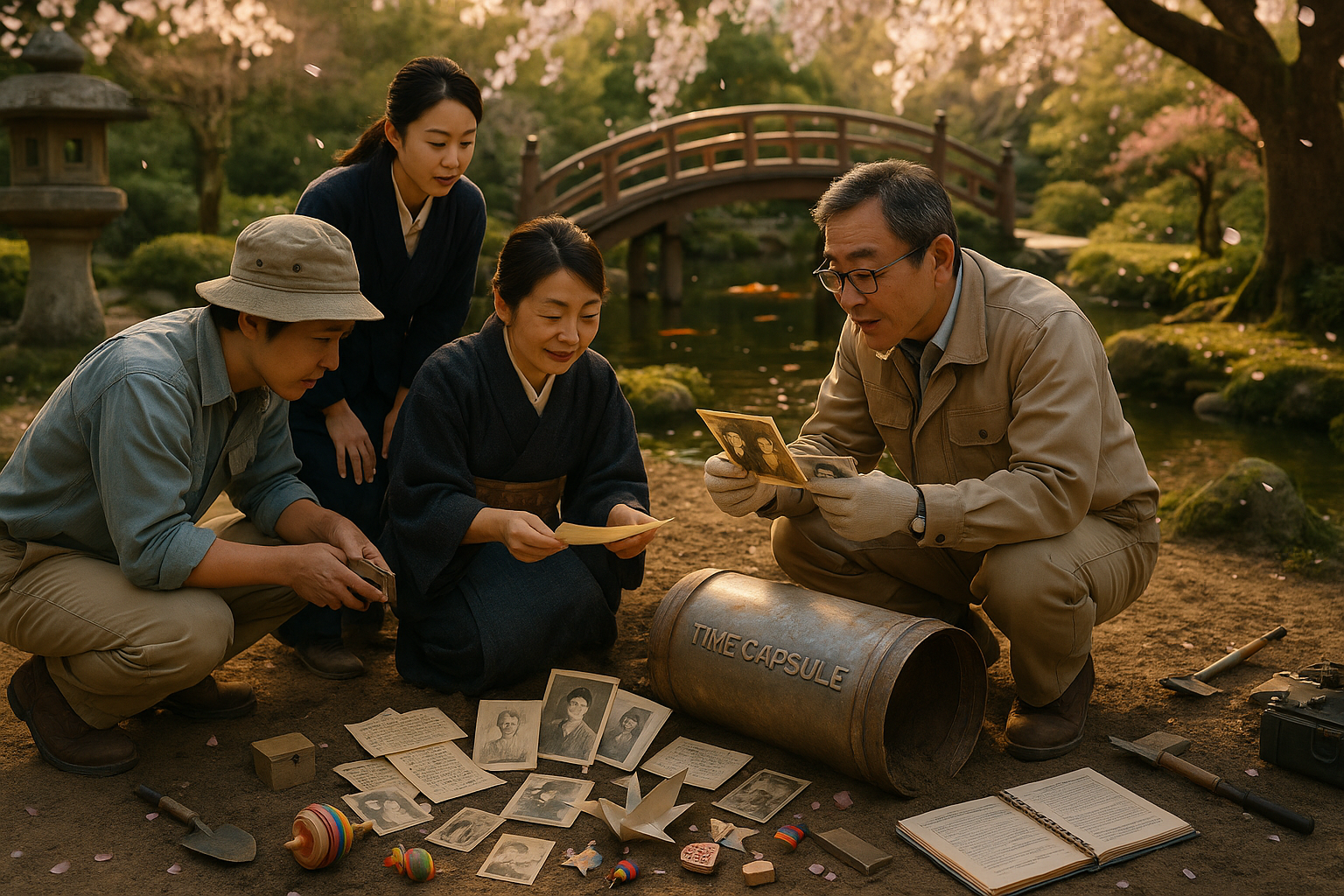
Conclusion
## Discovering Japan’s Timeless Legacy
Japan’s hidden millennium treasures offer us far more than just a glimpse into the past—they provide a living connection to centuries of craftsmanship, spirituality, and cultural preservation. From ancient Buddhist scrolls tucked away in temple repositories to exquisite ceramics that have survived countless generations, these artifacts represent the dedication of countless individuals who understood the importance of safeguarding their heritage. What makes these treasures truly remarkable isn’t just their age or rarity, but the stories they continue to tell about a civilization that has managed to honor its traditions while embracing modernity. Each artifact serves as a bridge between eras, reminding us that the values of beauty, devotion, and excellence transcend time.
Exploring these millennium treasures also challenges our modern perception of what it means to preserve culture. In an age where everything seems disposable and temporary, Japan’s careful stewardship of its historical artifacts offers valuable lessons about patience, respect, and long-term thinking. The Japanese concept of “mottainai”—a sense of regret over waste—extends beyond material objects to encompass cultural and spiritual heritage as well. Museums, temples, and private collections throughout Japan continue this tradition, not by keeping these treasures locked away, but by thoughtfully sharing them with new generations who can appreciate their significance and carry their stories forward.
Whether you’re a history enthusiast, an art lover, or simply someone who appreciates the extraordinary dedication required to preserve objects for a thousand years, Japan’s hidden millennium treasures invite you to reconsider your relationship with the past. These remarkable artifacts prove that true treasures aren’t defined by monetary value alone, but by their power to inspire, educate, and connect us to the timeless human desire to create something meaningful that outlasts our brief moment on Earth.