Amidst the dim, echoing corridors beneath the bustling streets of cities like Paris and Rome lies a hidden world, one that whispers secrets of bygone eras. These subterranean labyrinths, known as catacombs, have fascinated historians, archaeologists, and explorers for centuries. 🕯️ As you descend into their cool, shadowy depths, it’s easy to imagine stepping back in time to an era when these intricate passageways were alive with the rituals and routines of ancient societies.

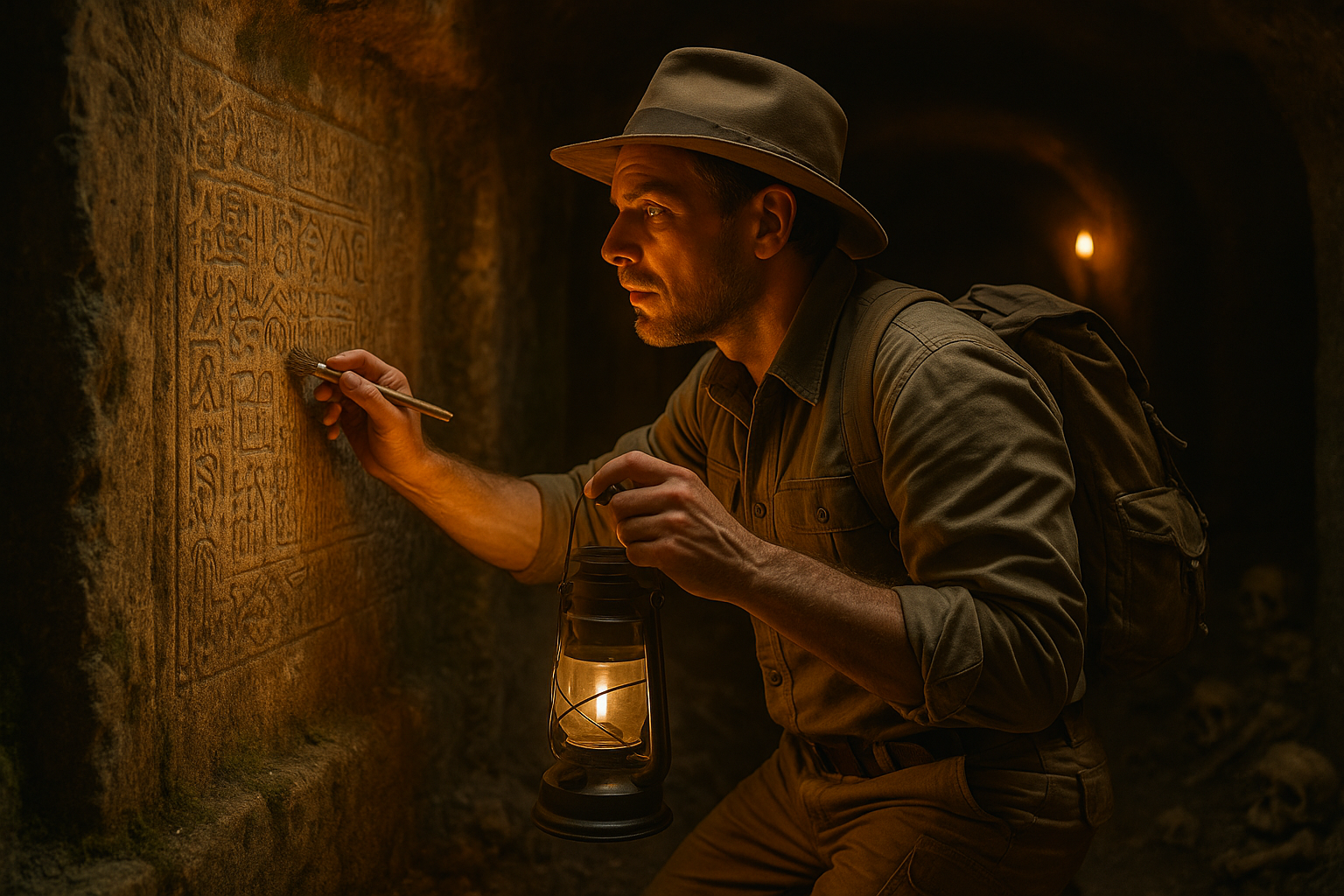
In this article, we will embark on a journey to unearth the ancient secrets that lie within these underground wonders. The focus of our exploration is not just the haunting beauty of the catacombs themselves, but the hidden writings etched into their walls. These inscriptions, often overlooked, offer invaluable insights into the beliefs, practices, and lives of those who used these spaces for both sacred and practical purposes.
From early Christian symbols to cryptic messages and detailed epitaphs, the writings within catacombs reveal a tapestry of human experience. They speak of faith, resilience, and the universal quest for meaning in life and death. This blog post aims to uncover these hidden gems, offering a glimpse into a world that has long remained shrouded in mystery.
Catacombs serve as more than mere burial sites; they are time capsules that hold the cultural and historical DNA of civilizations long gone. For the modern explorer, historian, or simply the curious at heart, they present a unique opportunity to connect with the past in a tangible way. As we navigate through the intricate passages, we’ll explore several key themes that bring the story of these hidden writings to life.
Firstly, we’ll delve into the origins of these subterranean networks, examining how and why they were constructed. Understanding the architectural and cultural significance of catacombs provides a foundation for appreciating the context in which these writings were created. From the Etruscans to the early Christians, each group left its mark on these underground realms, contributing to their rich and varied tapestry.
Next, we’ll explore the symbolism and language found within these cryptic inscriptions. Many writings are imbued with religious significance, offering insights into the spiritual life of ancient communities. Fish, anchors, and doves are just a few of the symbols that appear frequently, each carrying its own weight of meaning. By decoding these symbols, we can better understand the beliefs and values that shaped these societies.
The catacombs also tell stories of everyday life and death, preserving the voices of individuals who walked the earth centuries ago. Epitaphs carved into stone provide poignant reminders of love, loss, and the passage of time. We’ll examine how these personal messages offer a window into the social and familial structures of ancient communities, revealing the human side of history that often goes unrecorded.
As we continue our exploration, we’ll consider the challenges and triumphs of preserving these delicate writings. Many catacombs are under threat from environmental factors, human interference, and the relentless march of time. The preservation of these fragile treasures is a testament to the dedication of historians and conservationists who strive to keep the voices of the past alive for future generations.
Finally, we’ll look at the modern implications of these ancient secrets. What can they teach us about our own lives and societies? In an era where digital communication reigns supreme, the enduring power of these hand-carved messages reminds us of the importance of preserving human stories, no matter the medium.
Join us on this fascinating journey through time and space, as we illuminate the hidden writings of the catacombs. These underground galleries, rich with history and mystery, await discovery. Through the lens of these ancient inscriptions, we can piece together the narratives of our ancestors and reflect on the enduring nature of the human spirit. 📜✨
Conclusion
## Conclusion
The labyrinthine passages beneath our cities hold far more than dusty bones and forgotten tombs. As we’ve explored throughout this journey into the catacombs, these underground networks serve as time capsules that preserve invaluable insights into ancient civilizations, religious practices, and the daily lives of people who walked the earth centuries before us. From the elaborate Christian burial chambers beneath Rome to the haunting ossuaries of Paris, each catacomb tells a unique story of humanity’s relationship with death, community, and remembrance. The artistry found in these subterranean galleries—intricate frescoes, carved symbols, and carefully arranged skeletal remains—reveals a profound respect for the deceased and a desire to maintain connections between the living and the dead.
Modern archaeological techniques continue to reveal new discoveries within these ancient spaces, reminding us that we’ve barely scratched the surface of what lies beneath. Advanced imaging technology, DNA analysis, and careful preservation efforts are opening doors to understanding disease patterns, migration routes, and social structures of bygone eras. These findings don’t just satisfy academic curiosity; they connect us to our shared human heritage and help us understand how past societies navigated challenges that still resonate today.
Whether you’re a history enthusiast, an archaeology buff, or simply someone fascinated by the mysteries lurking beneath our feet, the catacombs offer an unparalleled window into humanity’s past. They remind us that beneath the busy streets and modern infrastructure of our cities lies a hidden world waiting to share its secrets with those curious enough to venture into the darkness. The catacombs are more than burial grounds—they’re monuments to human resilience, creativity, and our eternal quest to honor those who came before us.