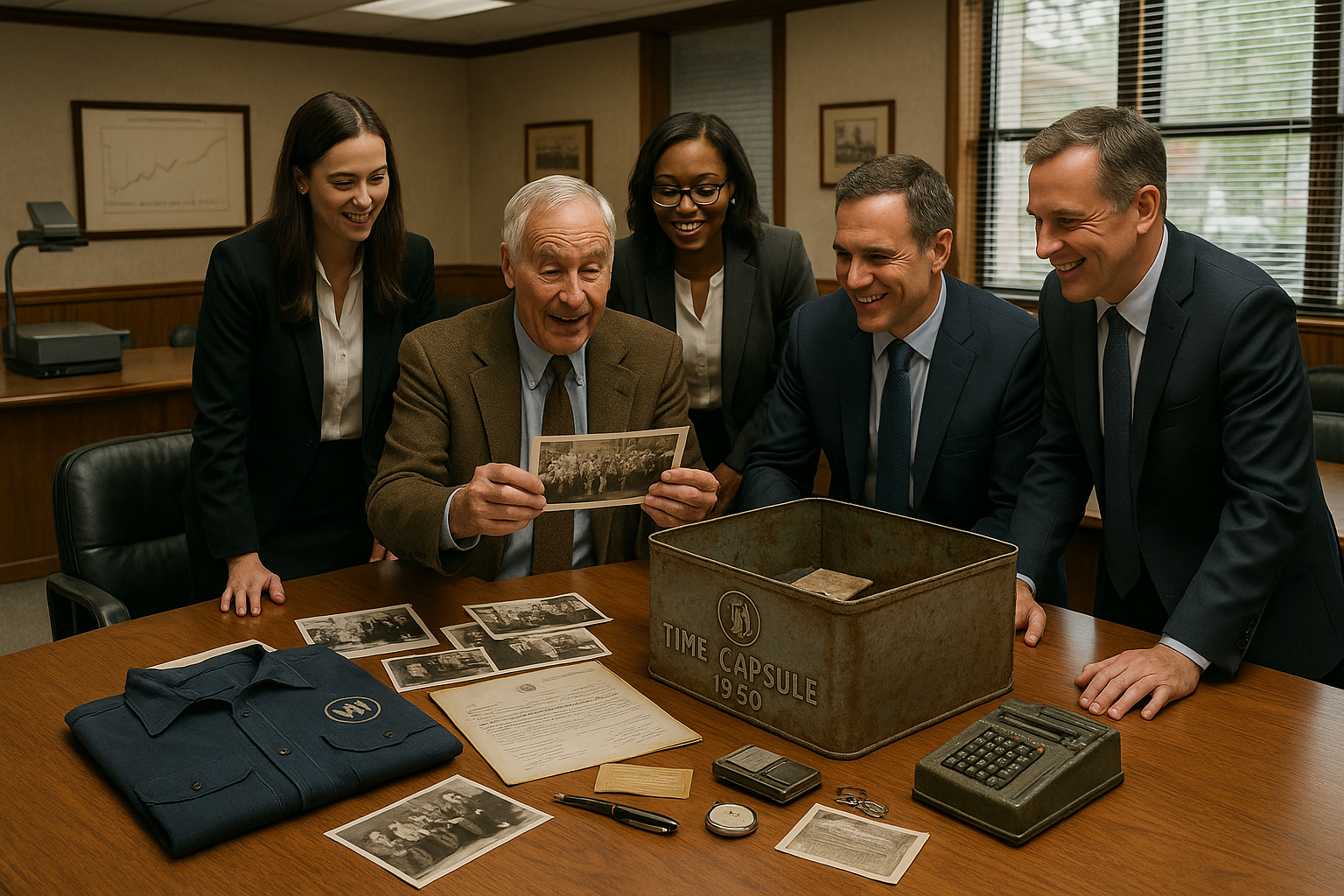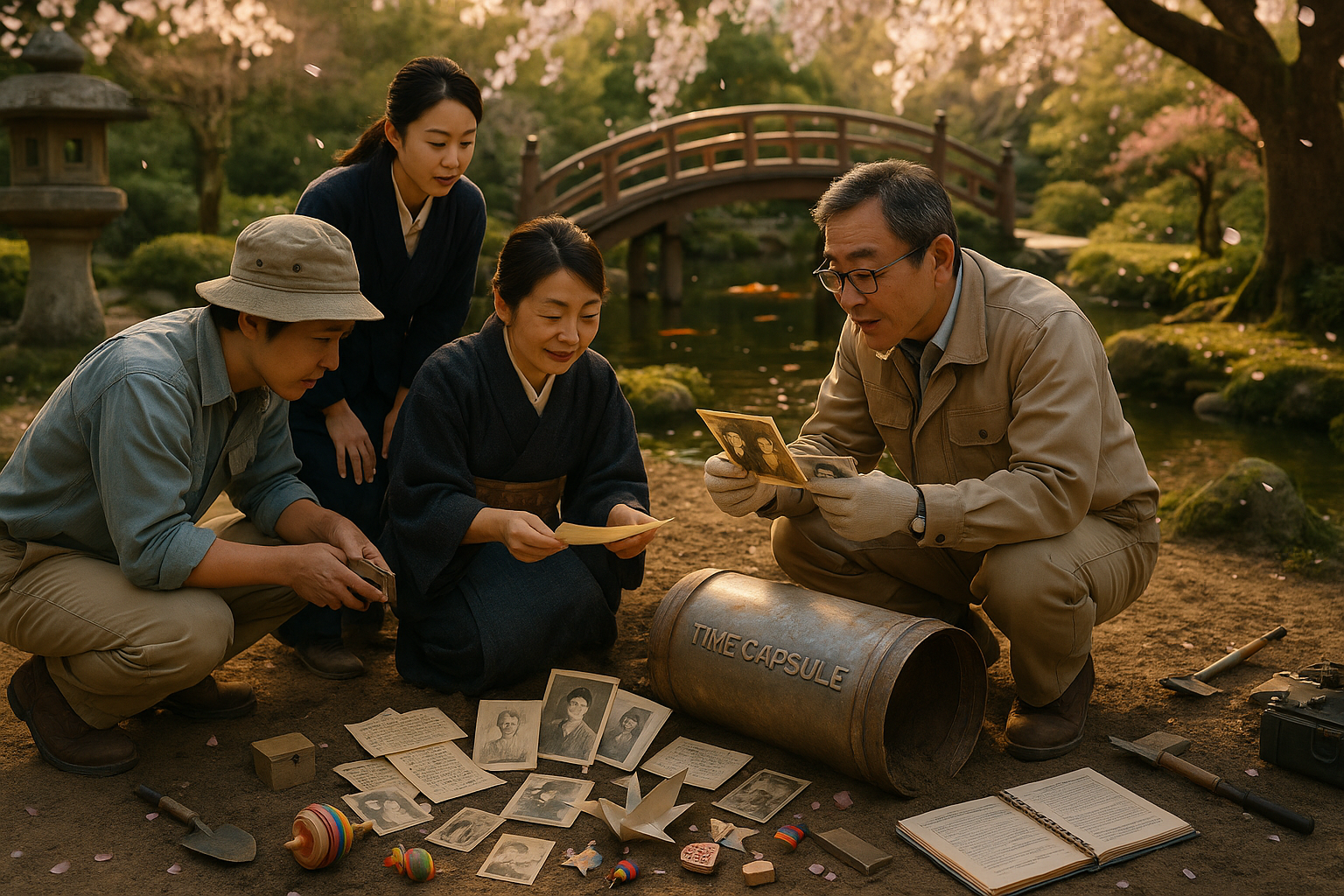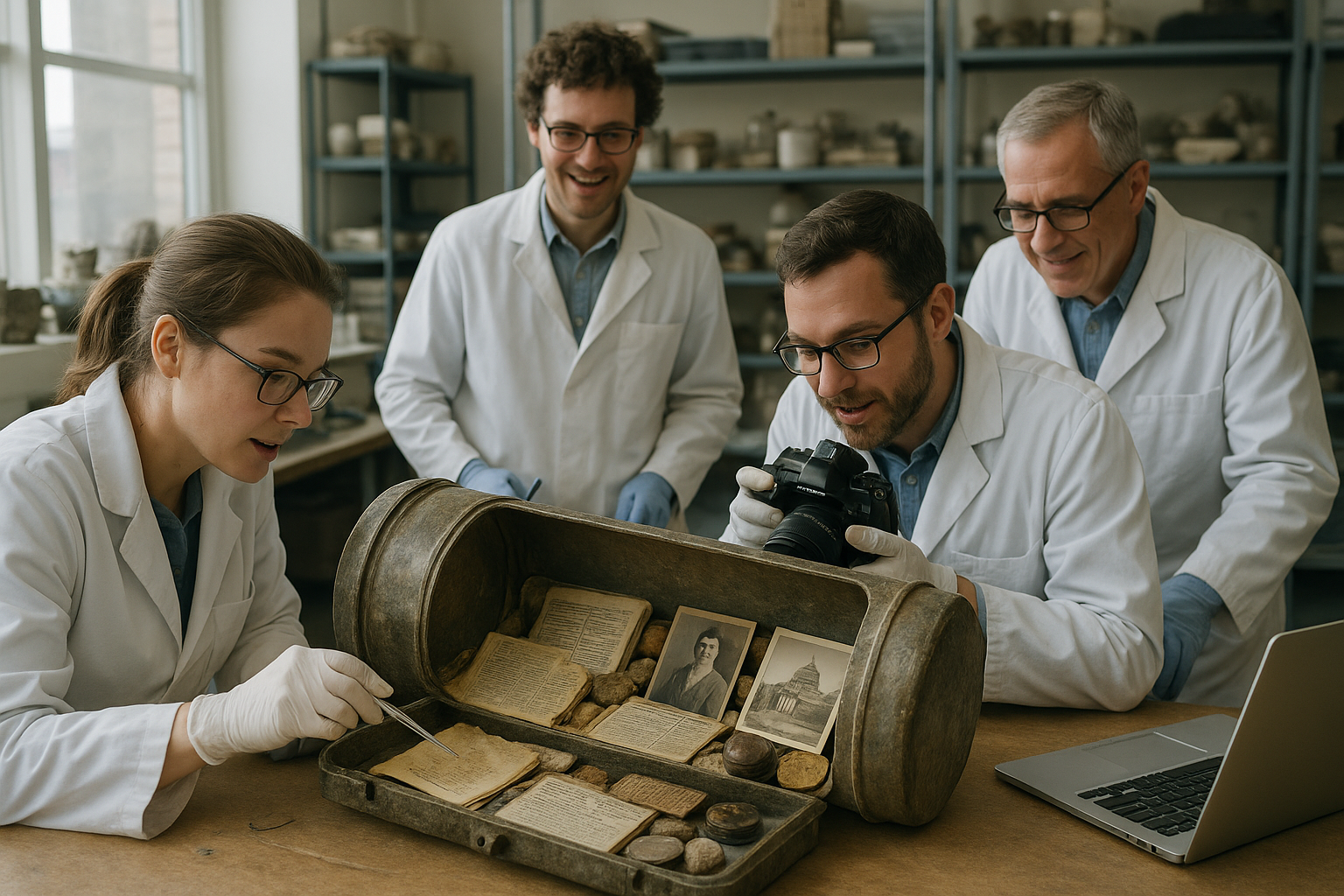
In a world that seems perpetually focused on the future, with its rapid technological advancements and ever-evolving political landscapes, there’s something uniquely captivating about looking back at the past—especially when it comes packaged in a physical form. Imagine, for a moment, unearthing a mysterious box, its surface weathered and its lock rusted by time. Inside, lies a treasure trove of artifacts, documents, and relics, each offering a glimpse into a bygone era. These aren’t ordinary time capsules; they are political time capsules, forgotten by most, yet holding immense historical value. 🏺

Political time capsules, though less discussed, are fascinating vessels of history. They serve as bridges connecting us to the intentions, hopes, and even the fears of past societies. Buried deep within the fabric of cities or hidden away in the foundations of historic buildings, these capsules provide a snapshot of political climates and social norms that have long since shifted. As we peel back the layers of time, we uncover not only the items within but the stories they tell about the political milieu of their creators. The allure of these hidden caches is undeniable, drawing us in with promises of insight and revelation.
But what exactly are these political time capsules? Simply put, they are containers filled with artifacts and documents of political significance, intentionally sealed to be opened at a later date. Unlike typical time capsules, which might contain personal mementos or popular cultural items, political time capsules are carefully curated with items that reflect the political narratives of their time. Whether it’s a speech transcript, a newspaper article, or a campaign button, each item is chosen to represent a particular political moment. They are, in essence, time travelers, carrying messages from the past to the future.
In this article, we will embark on a journey through the annals of history to explore some of the most intriguing political time capsules ever discovered. We will delve into their origins, examining who buried them and why, as well as the historical contexts that shaped their contents. From capsules that have already been unearthed to those still awaiting discovery, each story promises to shed light on the political landscapes of yesteryears. 🕰️
Our exploration will take us across continents, from the bustling streets of major cities to the quiet corners of small towns. We’ll visit iconic political landmarks and delve into the motivations of the leaders and citizens who created these capsules. What compelled them to preserve their political realities for future generations? What messages did they hope to convey, and how have these messages stood the test of time?
As we journey through these stories, we’ll also touch on the unexpected twists and turns that often accompany the discovery of these capsules. Some have been found in pristine condition, offering a clear window into the past, while others have succumbed to the ravages of time, leaving behind only tantalizing fragments. The emotions tied to these discoveries—surprise, nostalgia, and sometimes controversy—add another layer to their significance.
Moreover, we’ll explore the broader implications of these discoveries. How do they influence our understanding of political history? What lessons can they teach us about the cyclical nature of political trends? And how do they inspire contemporary efforts to preserve current political climates for future reflection? 🌍
Finally, we’ll look forward, considering the role of modern political time capsules. In an age of digital communication and fleeting media, how do we preserve the essence of our political era? What should today’s political time capsules include, and how can they serve as authentic representatives of our current societal dynamics?
Join us as we uncover these forgotten treasures, delve into the rich tapestry of political history they reveal, and ponder the timeless nature of human governance. In doing so, we hope to inspire not only a deeper appreciation for the past but also a thoughtful reflection on the present and future of politics.
Conclusion
## A Window Into Yesterday, A Mirror for Today
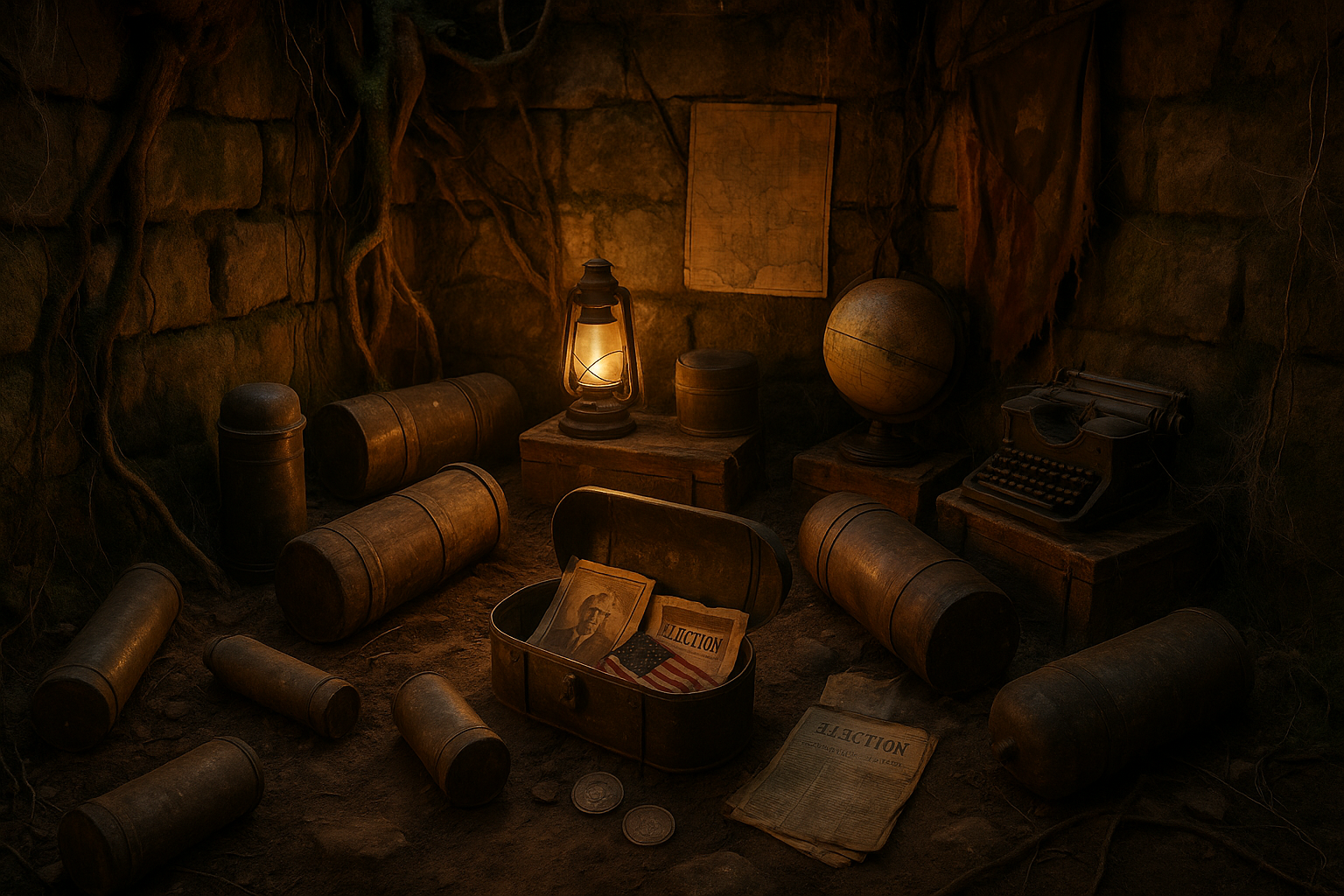
The discovery of these forgotten political time capsules offers us something remarkably precious: an unfiltered glimpse into the hopes, fears, and priorities of previous generations at pivotal moments in history. Whether it’s the earnest letters from Cold War-era citizens, the campaign memorabilia that once stirred passionate debates, or the policy documents that shaped our current institutions, these artifacts remind us that every era believed itself to be at a crossroads. The optimism embedded in some capsules stands in stark contrast to the anxious warnings in others, yet all share a common thread—the belief that their messages mattered enough to preserve for future generations. What’s particularly striking is how many of the issues they grappled with remain relevant today, from debates about civil liberties and economic equality to questions about America’s role in the world.
Perhaps most importantly, these time capsules challenge our tendency to view history as inevitable or to imagine that our political ancestors had everything figured out. They show us real people wrestling with uncertainty, making imperfect decisions with incomplete information, and hoping desperately that those who came after would understand their choices. The handwritten notes, the carefully selected newspapers, and the symbolic tokens buried alongside official documents reveal the deeply human element behind the grand sweep of political history.
As we unearth these capsules and examine their contents with modern eyes, we’re not just engaging in a nostalgic exercise or satisfying historical curiosity. We’re actively participating in a conversation that spans generations, one that asks us to consider what we might preserve for those who will follow us. After all, today’s heated debates and pressing concerns will someday be someone else’s history—and the question remains: what will our time capsule say about us?