
In the heart of every thriving church lies a powerful force that binds its members together: communication. This force, often underestimated, is the lifeline that nurtures relationships, fosters understanding, and fuels growth within the community. In this era of rapid technological advancements and shifting societal norms, the way we communicate within our church foundations has never been more crucial. 📢

Imagine a community where messages are not just exchanged but are meaningful, resonating deeply with each individual. This is the essence of effective communication in church settings, where every word spoken or written has the potential to inspire, unite, and transform. The challenge lies in harnessing this power to build a stronger, more cohesive community.
In this blog post, we embark on a journey to unveil the power of messages in church foundations. We will explore how effective communication strategies can enhance community engagement, deepen spiritual connections, and ultimately, fortify the church’s mission. As we delve into this topic, we’ll uncover the importance of understanding diverse communication styles, the impact of digital platforms, and the role of leadership in shaping the narrative within the church.
The Importance of Communication in Church Foundations
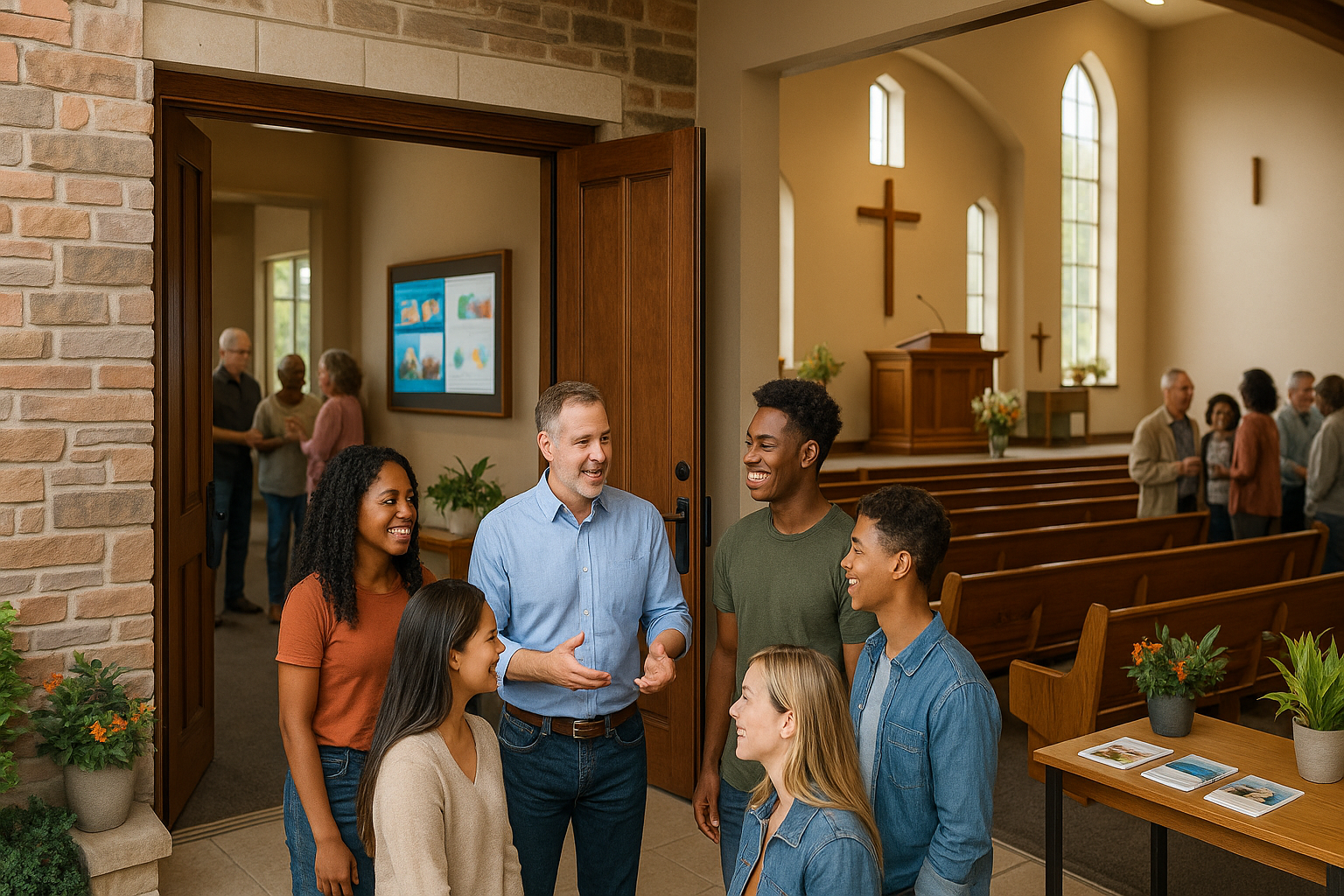
At its core, communication within a church is about more than just conveying information. It is about creating a sense of belonging and purpose among members. Churches that prioritize open, honest, and empathetic communication often find that their communities are more resilient and adaptable to change. This is because effective communication builds trust, encourages collaboration, and fosters a sense of shared mission.
In this section, we’ll discuss how churches can leverage communication to strengthen their foundations. We’ll explore how understanding the diverse needs and perspectives of church members can lead to more inclusive and engaging interactions. Additionally, we’ll highlight the importance of feedback loops in ensuring that communication remains a two-way street, enabling church leaders to address concerns and celebrate successes with their congregations. 🔄
Digital Platforms: A New Era of Church Communication
The digital age has revolutionized the way we connect with one another, and churches are no exception. With the rise of social media, live streaming, and online communities, churches have unprecedented opportunities to reach their congregations beyond the confines of traditional Sunday services. But with these opportunities come new challenges.
In this section, we’ll explore the impact of digital platforms on church communication. We’ll examine how churches can effectively use these tools to engage with members, share meaningful content, and expand their reach. From crafting compelling social media posts to hosting interactive online events, we’ll provide practical insights on navigating this digital landscape. 🌐
Leadership and Narrative: Shaping the Church’s Message
Leadership plays a pivotal role in shaping the narrative within a church. The messages conveyed by church leaders can inspire action, instill hope, and drive the community towards a common goal. But effective leadership requires more than just delivering sermons; it demands active listening, empathy, and the ability to adapt to the evolving needs of the congregation.
In this section, we’ll delve into the role of leadership in crafting and delivering impactful messages. We’ll discuss the importance of authenticity and transparency in building trust and how leaders can empower others within the church to contribute to the narrative. Through real-world examples and expert insights, we’ll illustrate how strong leadership can transform communication into a powerful tool for community building.
As we journey through this exploration of communication within church foundations, we invite you to reflect on the power of your own words and the impact they have on your community. Whether you’re a church leader, a dedicated member, or simply someone interested in the dynamics of church life, there’s something here for everyone. Together, let’s uncover the potential of meaningful communication to not only strengthen our churches but to create lasting, positive change in the world around us. 🌟
Conclusion
## Conclusion
Effective communication stands as the cornerstone of thriving church communities in today’s interconnected world. When churches prioritize clear, consistent, and compassionate communication, they create an environment where members feel valued, informed, and genuinely connected to their faith community. This isn’t merely about sending out newsletters or posting on social media—it’s about building bridges between the pulpit and the pews, fostering genuine relationships, and ensuring that every member of the congregation has access to the information, encouragement, and spiritual guidance they need. Churches that embrace modern communication tools while maintaining the warmth and authenticity of personal connection find themselves better equipped to fulfill their mission and expand their reach within their communities.
The journey toward improved church communication requires intentionality, dedication, and a willingness to adapt to the evolving needs of your congregation. Whether you’re implementing a new church management system, revitalizing your social media presence, or simply committing to more transparent leadership communication, every step forward strengthens the bonds within your faith community. Remember that the most powerful communication happens when it flows in multiple directions—from leadership to members, between congregants, and from the community back to church leaders. This creates a dynamic, responsive environment where everyone has a voice and feels heard.
As you move forward in strengthening your church’s communication strategy, keep your focus on the ultimate goal: creating a unified, informed, and engaged congregation that can more effectively serve God’s purpose and minister to one another. The tools and techniques may evolve, but the heart of church communication remains unchanged—bringing people together in faith, hope, and love. When your church communicates with excellence, you’re not just sharing information; you’re building the kingdom of God one meaningful connection at a time.