In a world where the past often seems to slip through our fingers, the stories embedded in communal burial archives offer a tangible link to the lives of those who came before us. These archives are more than mere collections of bones and stones; they are portals to bygone eras, revealing the rich tapestry of human history woven through rituals of death and remembrance. 🌍

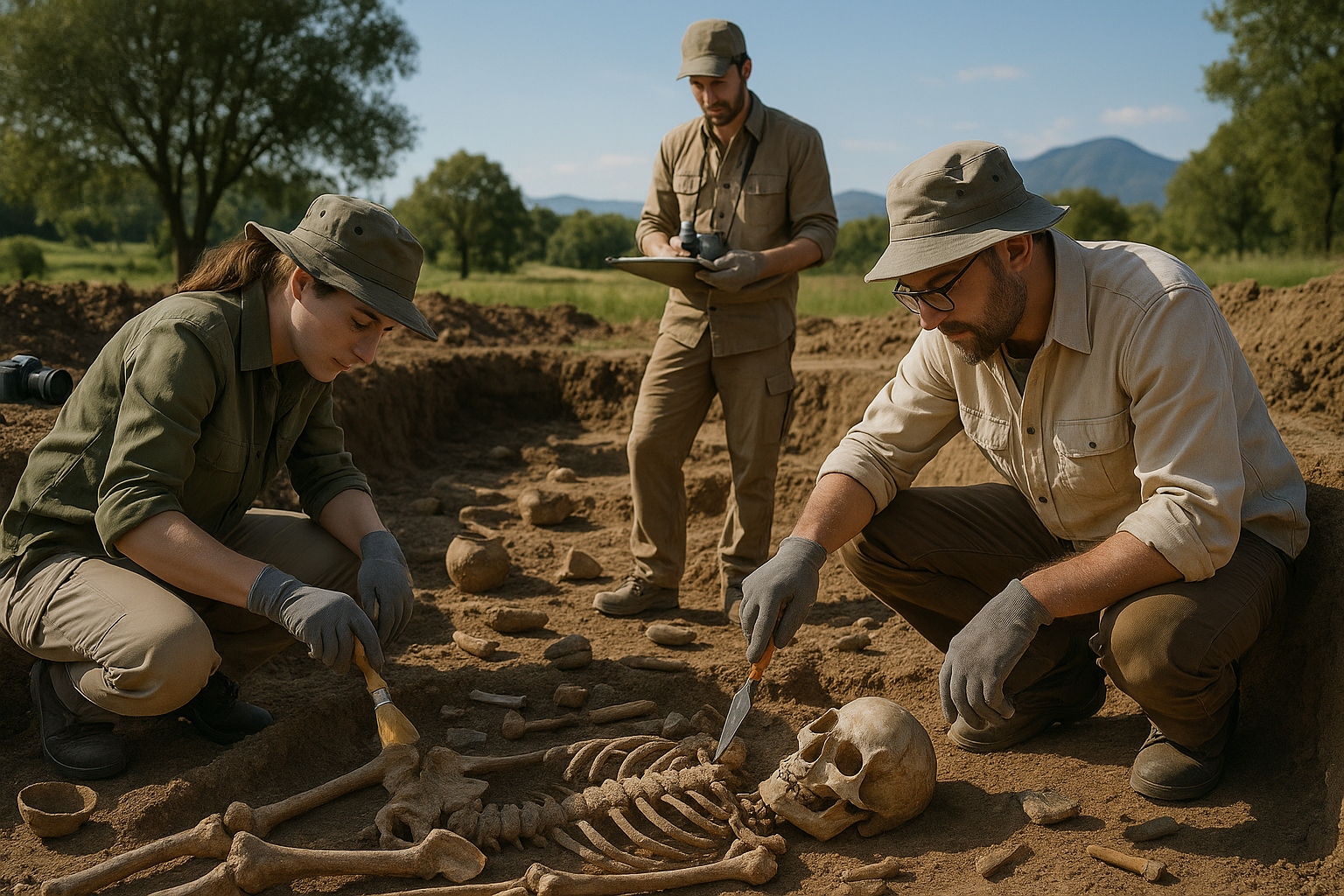
Imagine standing in an ancient burial ground, the air thick with the weight of untold stories. Each grave, a silent testament to lives once lived, loves once cherished, and battles bravely fought. As we delve into these communal burial archives, we begin to uncover narratives that have long been buried, both literally and metaphorically. This exploration not only deepens our understanding of history but also enriches our appreciation for the diverse cultures and traditions that have shaped our world.
Why focus on burial sites, you might wonder? Throughout history, how societies handle death has been a reflection of their values, beliefs, and social structures. From the grand pyramids of Egypt to the unassuming family plots in small villages, each burial site offers clues about the people it once served. These sites are historical gold mines, waiting for modern archaeologists, historians, and enthusiasts to unlock their secrets.
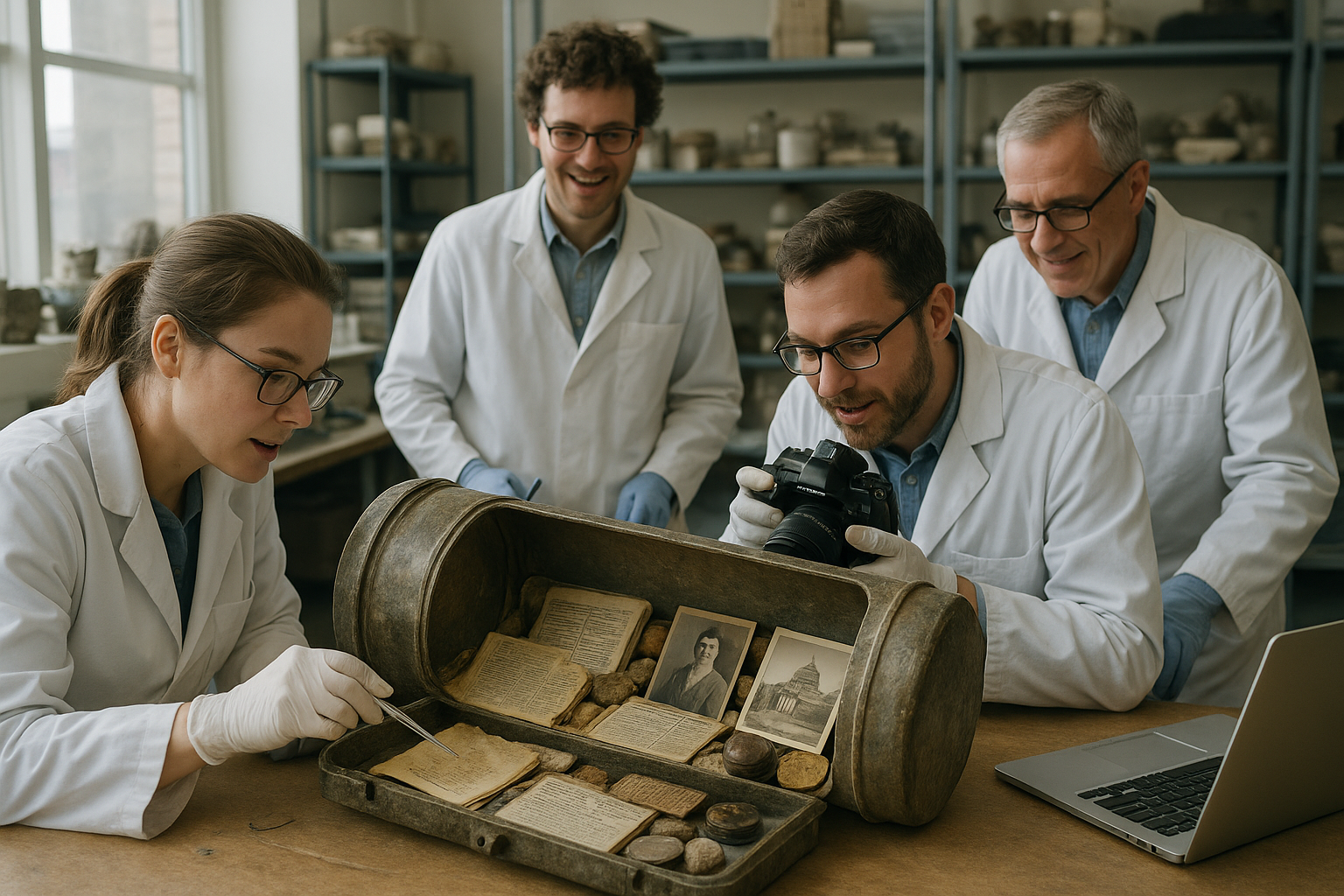
In this article, we will journey through some of the most fascinating communal burial archives across the globe, each with its own unique story to tell. Our journey will take us from the lush fields of Ireland, where ancient Celtic rituals meet modern archaeology, to the sun-baked deserts of Egypt, where monumental tombs stand as eternal guardians of pharaonic legacies. We’ll also explore how modern technology is revolutionizing our ability to uncover these ancient secrets, using tools like ground-penetrating radar and 3D modeling.
Moreover, we’ll delve into the cultural significance of these sites. What do they tell us about the societies that created them? How do burial practices reflect the social hierarchies, religious beliefs, and daily lives of people from different historical periods? We’ll discuss how these communal graves offer insights into the collective identities of past civilizations and help us understand our own place in this continuum of human experience. 🔍
Another crucial aspect of our exploration will be the ethical considerations involved in excavating burial sites. As we dig into these sacred grounds, we must balance the thirst for knowledge with respect for the deceased and their descendants. We’ll discuss the ongoing debates in the archaeological community regarding the treatment of human remains and the importance of involving local communities in these endeavors.
Finally, we’ll look at the ways these burial archives are being preserved and presented to the public. How do museums and cultural institutions decide what stories to tell and how to tell them? What role do these narratives play in shaping our collective memory and identity? In an era where information is at our fingertips, these questions are more relevant than ever.
As we embark on this exploration of communal burial archives, prepare to be captivated by tales of heroism, tragedy, and enduring legacy. This journey through history will not only expand your knowledge but also inspire a deeper connection to the past. So, are you ready to uncover the stories that have been waiting, patiently, for centuries? Let’s dive into the depths of time and emerge with a newfound understanding of our shared human heritage. ⏳
Conclusion
## Conclusion
The mysteries surrounding communal burial sites continue to captivate archaeologists, historians, and curious minds alike. These ancient resting places offer us far more than mere bones and artifacts—they provide intimate glimpses into the social structures, belief systems, and daily lives of our ancestors. From the elaborate catacombs beneath European cities to the mass graves that marked times of crisis, each communal burial tells a unique story about how societies honored their dead and, by extension, valued their living. The DNA analysis, isotope studies, and modern imaging techniques we’ve explored reveal connections between individuals and communities that would have otherwise remained hidden beneath layers of earth and time.
What makes these discoveries particularly fascinating is how they challenge our preconceived notions about ancient peoples. We’ve learned that communal burials weren’t simply practical solutions for disposing of the dead during plagues or wars. Many were deliberate choices that reflected deeply held beliefs about community, equality, and the afterlife. The care taken in arranging bodies, the inclusion of grave goods, and the strategic placement of burial sites near settlements all point to sophisticated cultural practices that deserve our respect and attention. These findings remind us that regardless of the era, humans have always grappled with mortality and sought meaningful ways to commemorate those who came before.
As technology advances and new sites are discovered, we can expect even more revelations about communal burial practices across different cultures and time periods. Each excavation adds another piece to the puzzle of human civilization, helping us understand not just how people died, but how they lived, loved, and built communities together. The secrets of communal burials continue to speak across millennia, offering timeless lessons about our shared humanity and the enduring human need to remember.