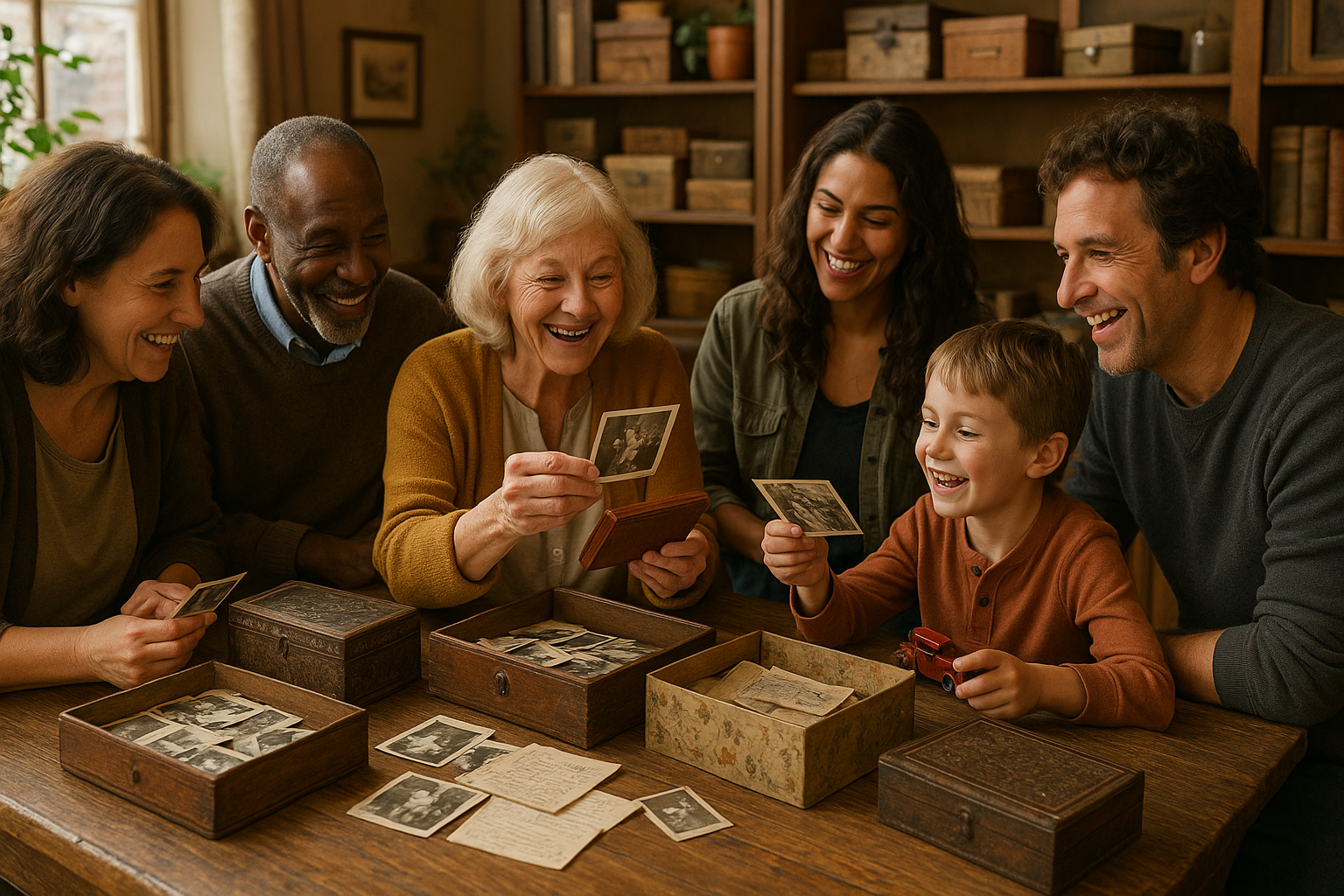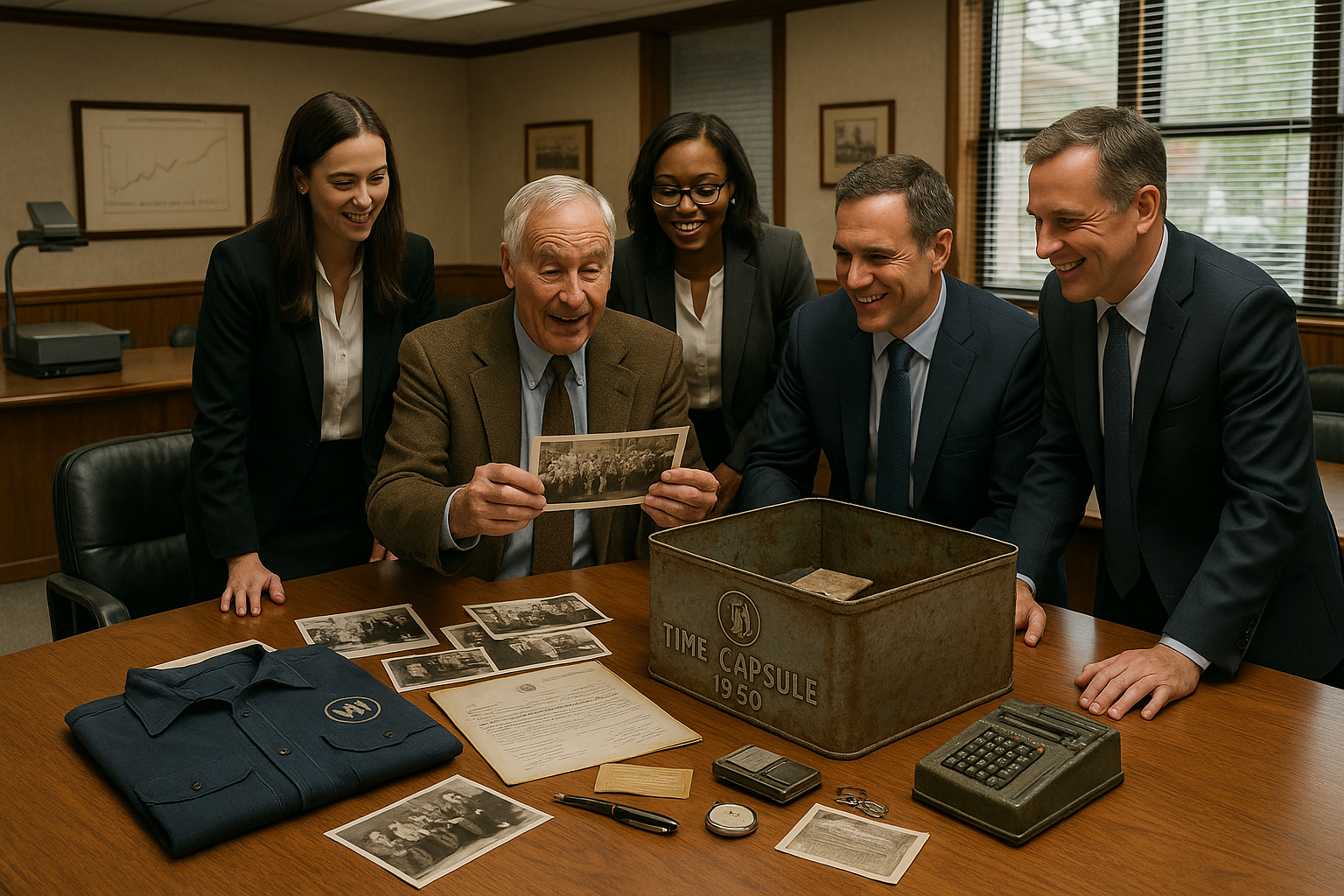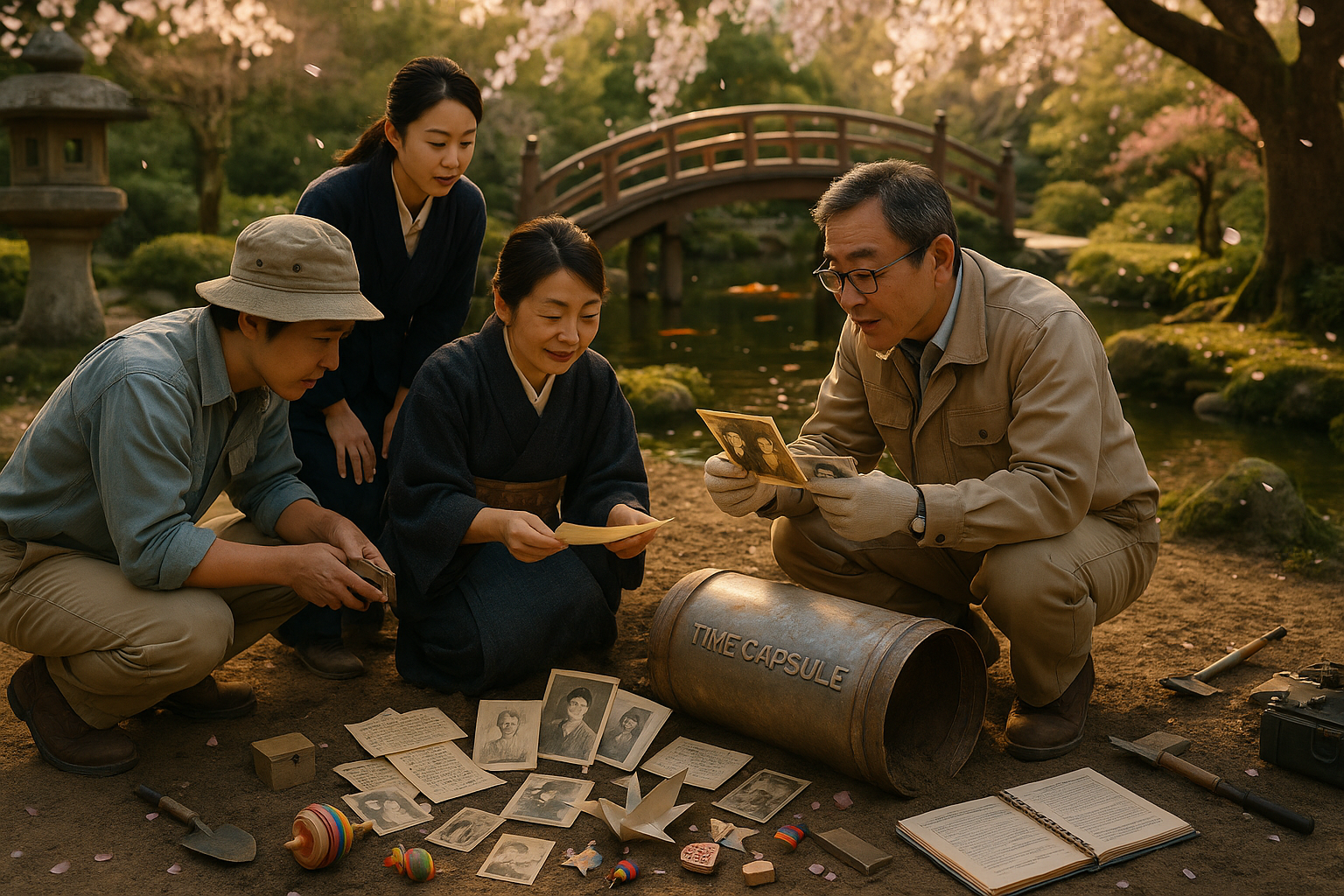
Imagine standing on the precipice of time, a mysterious capsule in hand, filled with whispers of the past and promises of the future. This isn’t just any ordinary artifact. It’s a time capsule from a World’s Fair, a snapshot of human ingenuity and ambition, sealed with the hope of future discovery. These enigmatic vessels have been buried for decades, waiting patiently beneath layers of earth and history for someone like you to unlock their secrets. 🌍✨

The allure of World’s Fair time capsules lies not only in their contents but in the stories they tell about the eras they represent. As we embark on this journey to unearth these hidden treasures, we will delve into the fascinating tales of innovation, culture, and human aspiration that they encapsulate. Each time capsule is a portal to a moment when the world paused to imagine what the future might hold.
World’s Fairs have long been stages for showcasing the pinnacle of human achievement and creativity. From the Great Exhibition of 1851 in London to the futuristic wonders of Expo 2020 in Dubai, these events have consistently pushed the boundaries of what is possible. In the midst of this celebration of progress, time capsules were buried as a testament to the hopes and dreams of their creators, meant to be discovered by future generations.
In this article, we will uncover the hidden treasures of these time capsules, exploring the unique artifacts and messages they contain. From the quirky to the profound, these items offer a glimpse into the minds of those who dared to dream big. We will journey through history to rediscover the innovations that once captivated the world and consider their impact on our present and future.
First, we will explore the origins of World’s Fair time capsules, understanding their significance and the intentions behind their creation. What motivated the visionaries of the past to encapsulate their era in such a unique way? We will examine the cultural and historical context that led to the birth of this intriguing tradition.
Next, we will delve into some of the most famous and intriguing time capsules from World’s Fairs across the globe. From the Technicolor dreams of the 1939 New York World’s Fair to the optimistic visions of Expo 67 in Montreal, each capsule tells a unique story. What treasures lie within these sealed vessels, and what can they tell us about the hopes and fears of their creators?
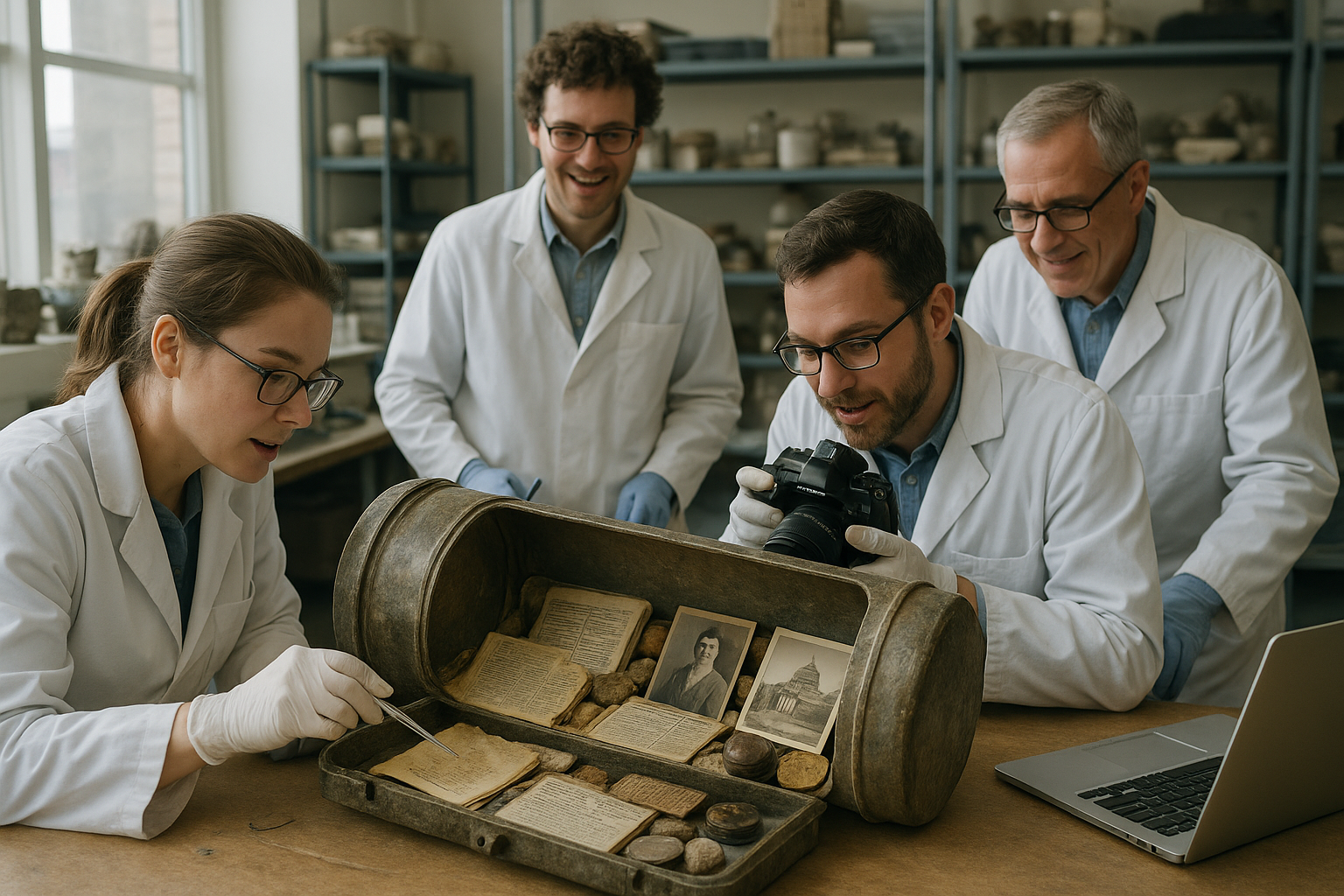
We will also consider the challenges and triumphs of discovering and excavating these time capsules. What does it take to unearth a piece of history that has been buried for decades, and how do we preserve its contents for future generations? This process is not just about archaeology; it’s about preserving the legacy of human innovation.
Moreover, we will reflect on the lessons these time capsules teach us about our current path. As we unearth these relics of the past, we are reminded of the cyclical nature of innovation and the enduring human spirit. What can we learn from the dreams of the past to inspire our future? 🚀
Finally, we will peer into the future, pondering the time capsules of today. As modern technology and globalization continue to reshape our world, what messages and artifacts will we choose to leave for those who come after us? How will we communicate our hopes and dreams to future generations, and what will they learn from our choices?
Join us as we unlock the mysteries of World’s Fair time capsules, embarking on a journey through time and imagination. These hidden treasures offer more than just a glimpse into the past; they challenge us to reflect on our present and inspire us to shape the future. As we dig deep into these capsules, let’s uncover the stories of yesterday that can guide us toward a brighter tomorrow. 🔍✨
Conclusion
## A Journey Through Time and Innovation
The World’s Fairs have always been more than just spectacular exhibitions—they’ve been windows into humanity’s boldest dreams and most ambitious achievements. From the Crystal Palace in London to the futuristic pavilions of Expo 2020 Dubai, these gatherings have consistently pushed the boundaries of what we believe possible. They’ve introduced us to everything from the Eiffel Tower and the Ferris wheel to television and touch-tone telephones. But perhaps their greatest secret lies not in the inventions they’ve showcased, but in their ability to unite diverse cultures and inspire collective imagination during pivotal moments in history.
What makes these fairs truly fascinating is how they reflect the zeitgeist of their era while simultaneously shaping our vision of the future. The optimism of the 1939 New York World’s Fair, with its “World of Tomorrow” theme, stood in stark contrast to global tensions, offering hope and wonder when the world needed it most. Similarly, the environmental consciousness of more recent expositions mirrors our growing awareness of planetary challenges. These events have served as time capsules, preserving the aspirations, anxieties, and aesthetic sensibilities of their generations for future scholars and curious minds to explore.
As we’ve discovered throughout this exploration, the legacy of World’s Fairs extends far beyond their closing ceremonies. The architectural marvels, urban planning innovations, and cultural exchanges they fostered continue to influence our cities and societies today. Whether you’re standing beneath the Space Needle in Seattle, visiting Flushing Meadows Park in New York, or exploring Brussels’ Atomium, you’re experiencing the lasting impact of these remarkable gatherings. The real secret of World’s Fairs isn’t hidden in dusty archives or forgotten pavilions—it’s alive in the infrastructure we use, the ideas we champion, and the boundless human spirit that continues to ask, “What if?”