The Victorian era, a time synonymous with grandeur, innovation, and societal transformation, has left behind a trove of hidden treasures waiting to be discovered. Among these are the elusive Victorian cornerstone deposits, a subject that continues to captivate historians, archaeologists, and treasure hunters alike. But what exactly are these deposits, and why do they hold such a magnetic allure? 🏺

In this comprehensive exploration, we delve deep into the heart of the 19th century to unlock the secrets buried beneath the ornate architecture and lavish estates of Victorian society. From dusty archives to the latest archaeological finds, we will piece together the puzzle of these historical caches and uncover the fascinating stories they tell.
The Victorian period, stretching from 1837 to 1901 under the reign of Queen Victoria, was marked by rapid industrialization, social change, and a distinct fascination with opulence and secrecy. This era saw the rise of the middle class, advances in science and technology, and a burgeoning curiosity about the world, which fueled both exploration and collection. As such, it’s no wonder that this period also gave birth to the practice of cornerstone deposits.
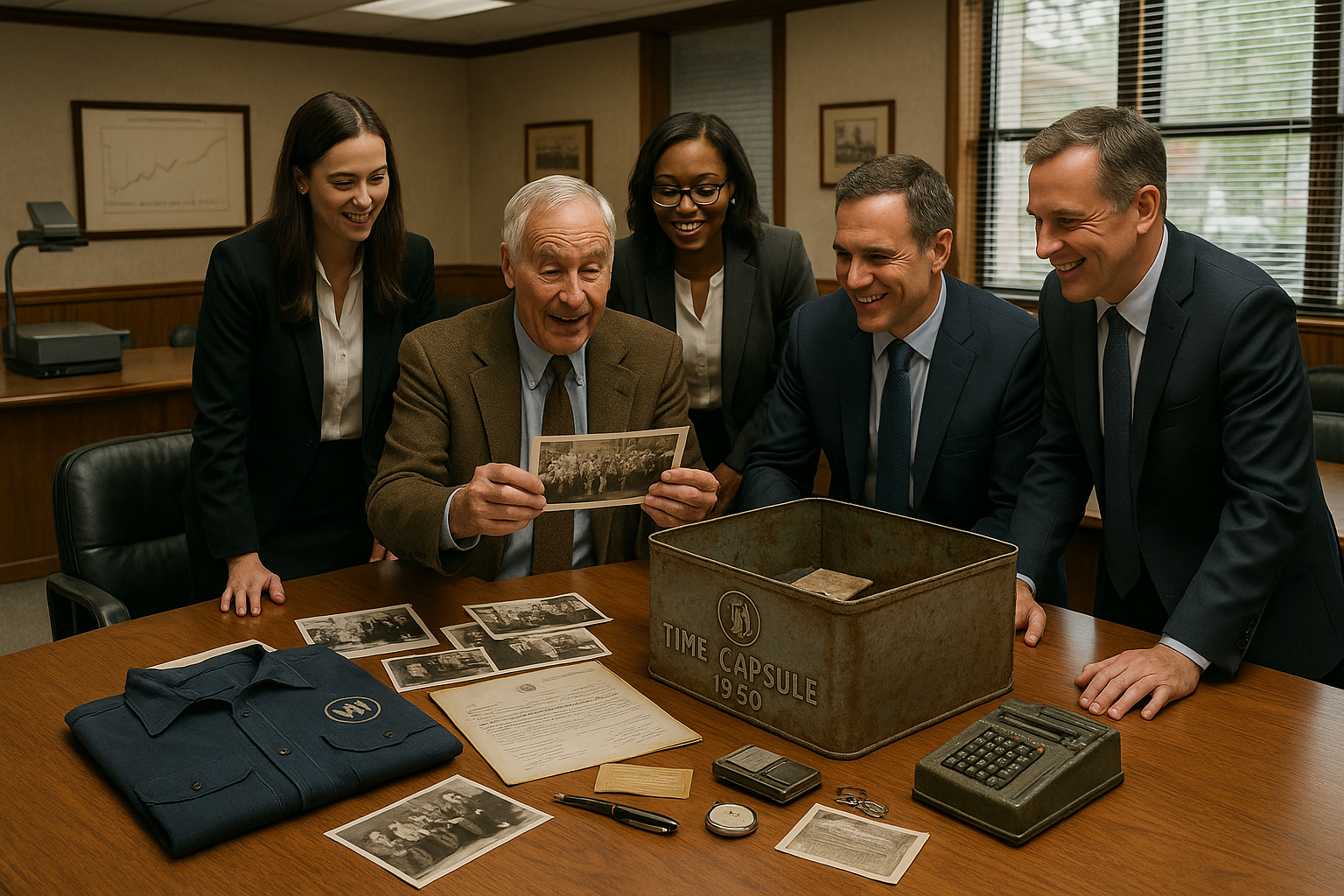
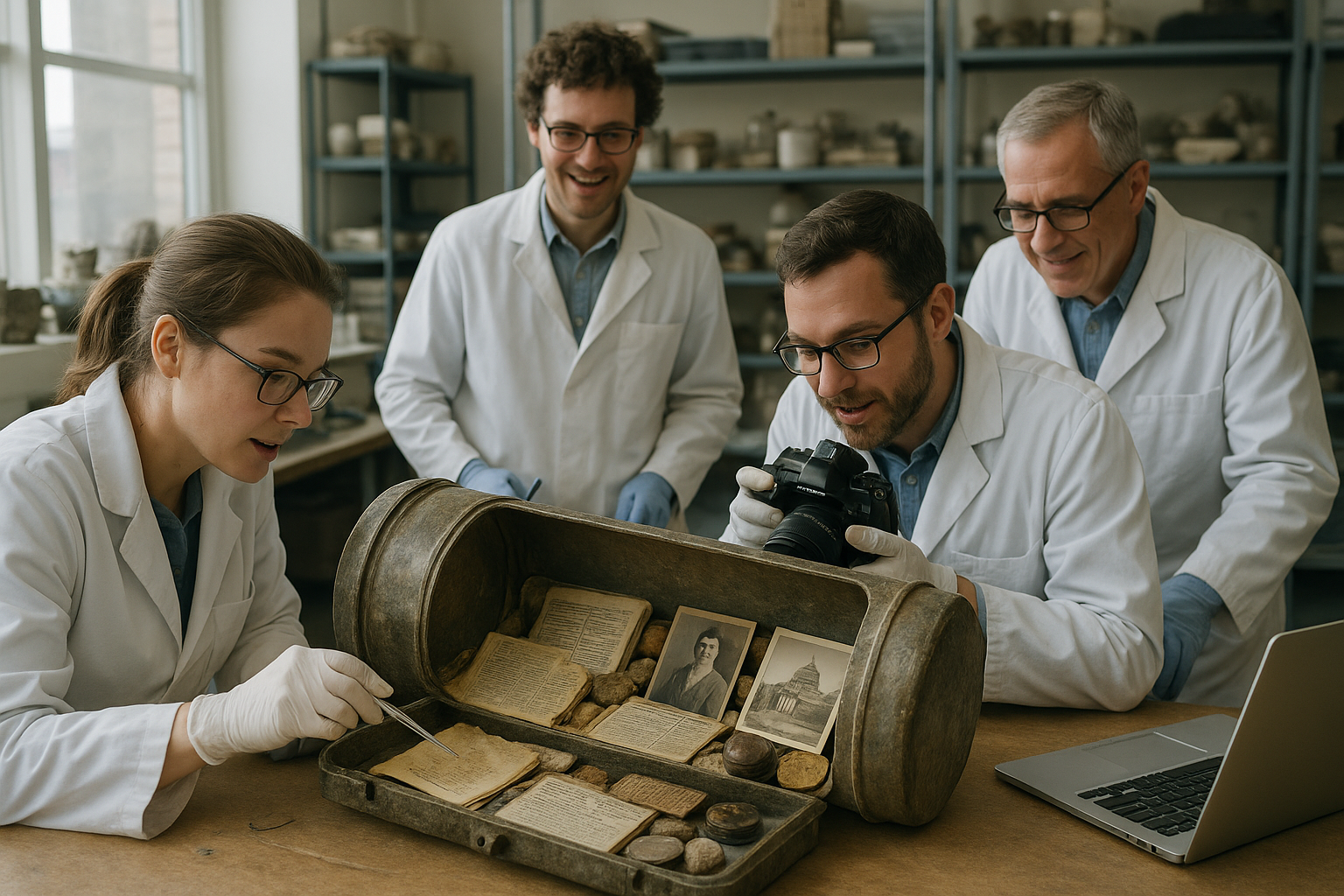
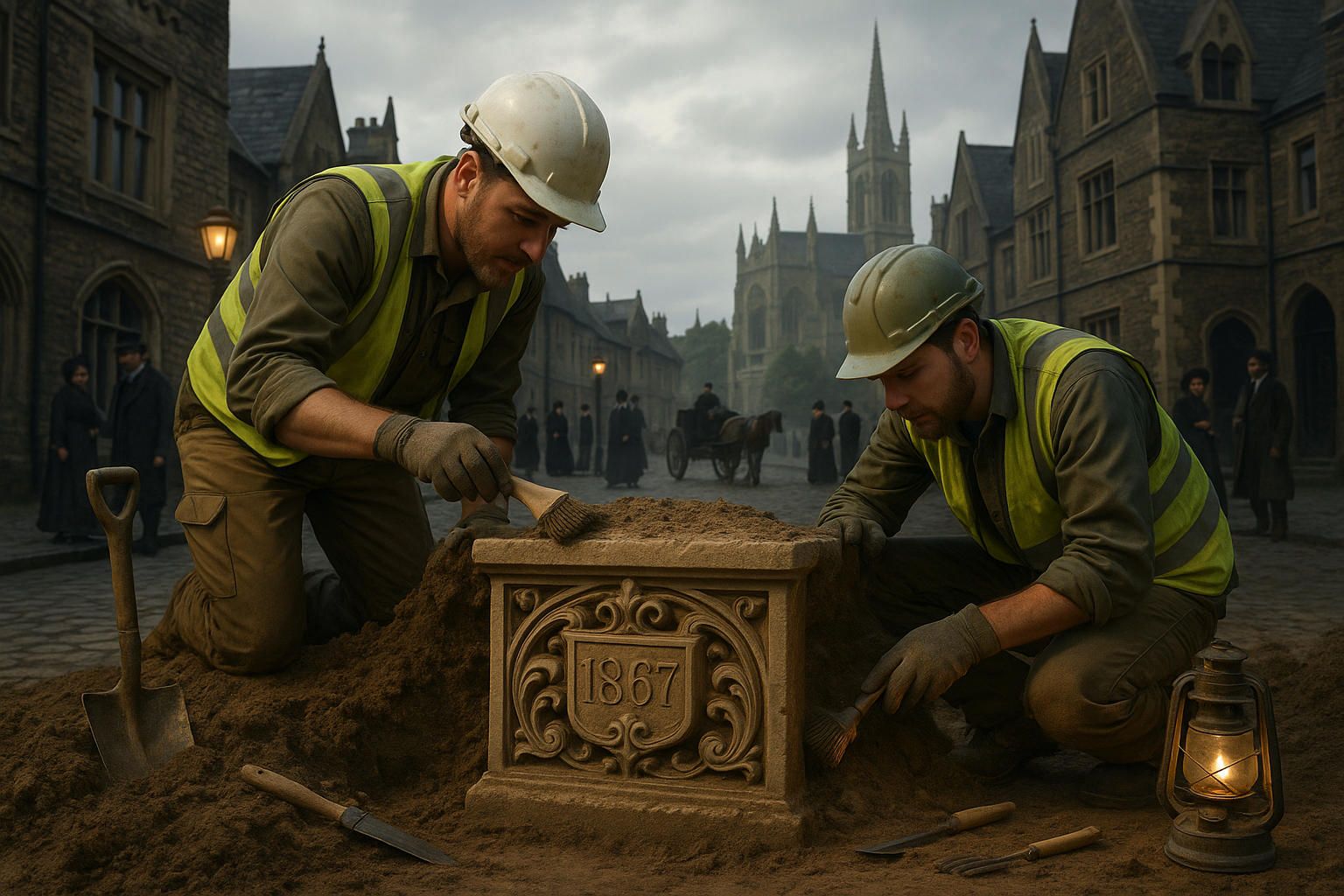
But what are cornerstone deposits? Simply put, these are time capsules of sorts, intentionally placed within the cornerstones of buildings, monuments, and other structures. They often contain coins, newspapers, letters, and other artifacts, capturing a snapshot of the era’s socio-cultural landscape. Imagine unearthing a piece of history, perfectly preserved in its original context, offering insights into the lives, values, and aspirations of those who lived during one of history’s most transformative times.
Why did the Victorians place such importance on these deposits? What can they tell us about the social and economic dynamics of the time? In the paragraphs that follow, we will explore the motivations behind these hidden treasures, shedding light on the beliefs and values of Victorian society. 🕰️
We’ll also discuss the methods used to uncover these deposits today. Thanks to modern technology and techniques in archaeology, what once required a stroke of luck and a hunch now involves ground-penetrating radar, digital mapping, and meticulous historical research. These advancements have revolutionized our ability to discover and interpret cornerstone deposits, offering a clearer window into the past than ever before.
Moreover, the article will highlight some of the most intriguing discoveries made in recent years. From long-lost letters to rare coins, each find contributes a piece to the puzzle of Victorian life. These treasures are not just relics of history; they are storytellers, providing a tangible connection to the people who lived through the innovations and challenges of their time.
Understanding Victorian cornerstone deposits also requires an appreciation for the cultural and historical context of the era. The 19th century was a time of significant progress, but also of stark contrasts and contradictions. As we explore these deposits, we’ll also touch on the broader themes of the Victorian age: the interplay between tradition and modernity, the expansion of empire, and the burgeoning sense of national identity. 📜
Finally, we’ll consider the impact of these discoveries on contemporary society. What lessons can we draw from the Victorians’ penchant for encapsulating their era in cornerstone deposits? How do these insights influence our understanding of heritage and preservation today? As we sift through the remnants of the past, we find ourselves reflecting on the future, contemplating the legacies we will leave behind for generations to come.
Join us on this journey through time as we unlock the mysteries of Victorian cornerstone deposits, revealing the hidden riches of a bygone era. Each artifact, each discovery, serves as a reminder of the enduring human quest to connect with our history, to understand our roots, and to appreciate the complexity of the human experience. 🌍
Conclusion
## Wrapping Up Our Journey Through Victorian Cornerstone Deposits
The discovery and documentation of Victorian cornerstone deposits continue to offer us remarkable windows into the past, revealing not just what our predecessors chose to preserve, but also what they valued most about their own time. These carefully curated time capsules tell stories of civic pride, technological progress, and the everyday lives of people who walked the same streets we do today, albeit in a vastly different world. From newspapers and coins to photographs and handwritten letters, each artifact serves as a tangible connection to the hopes, dreams, and concerns of Victorian society.
What makes these findings particularly fascinating is how they challenge and enrich our understanding of the Victorian era. Beyond the formal historical records and official documents, cornerstone deposits reveal the human side of history—the local businesses that thrived, the community leaders who shaped their towns, and the ordinary citizens who contributed to building the institutions that still serve us today. The items placed within these cornerstones were selected with intention, meant to communicate something meaningful about that moment in time to future generations. In many ways, they succeeded beyond measure, giving us insights that no textbook alone could provide.
As preservation efforts continue and more Victorian buildings undergo restoration or, sadly, demolition, we can expect additional cornerstone deposits to come to light. Each discovery adds another piece to the intricate puzzle of our shared heritage. These treasures remind us that we, too, are part of an ongoing story, and that the choices we make today about what to preserve and commemorate will shape how future generations understand our own era. The Victorians understood the power of leaving something behind—perhaps it’s time we gave serious thought to what legacy we’re creating for those who will follow in our footsteps.