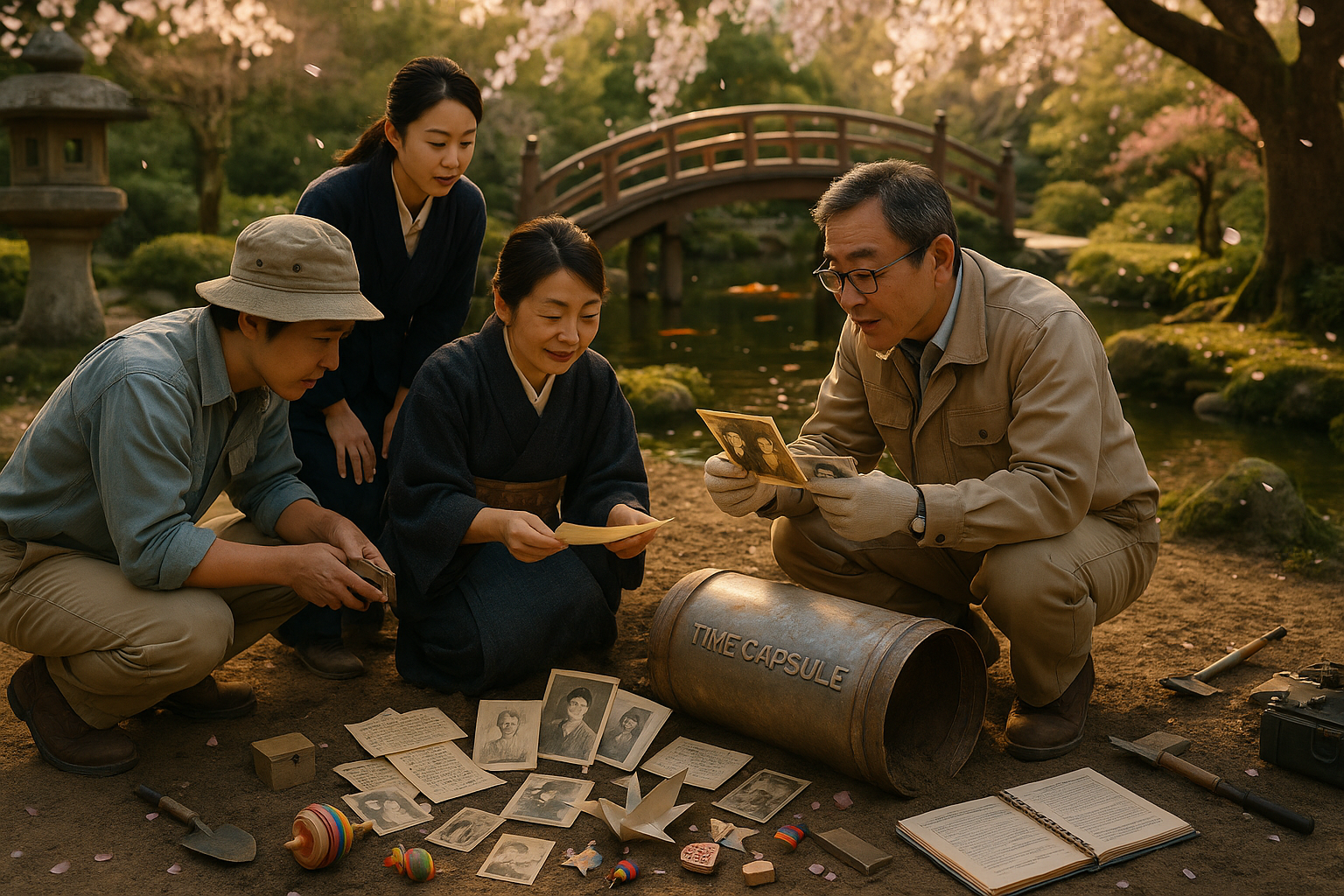
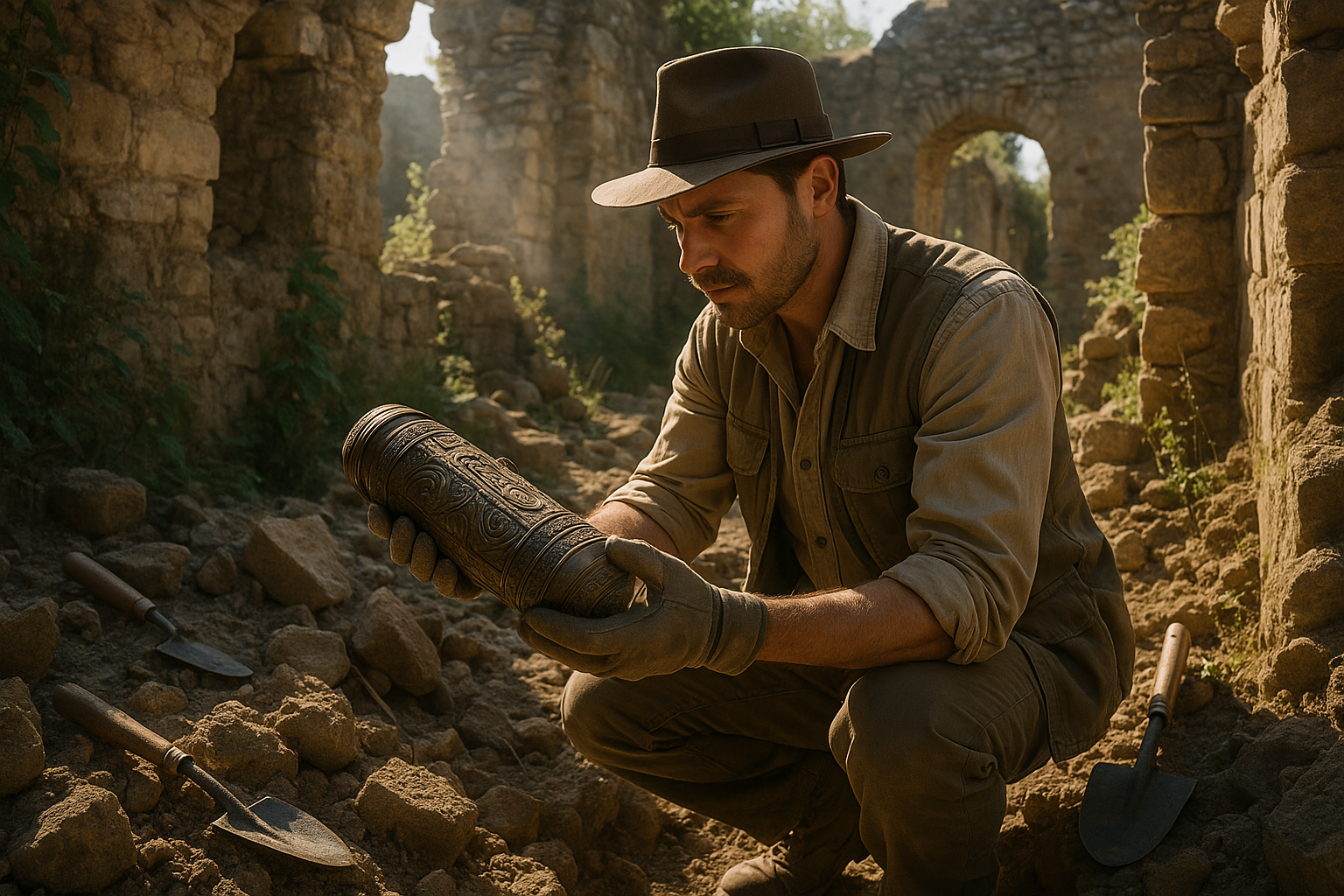
In the heart of ancient ruins, where history whispers through the stones and the past lingers in the air, lies a thrilling mystery waiting to be unraveled. Imagine walking through the echoes of a bygone era, feeling the pulse of ancient civilizations beneath your feet. Suddenly, you stumble upon a hidden capsule, a time-bound vessel containing secrets of those who walked this earth centuries before us. 🏺 This is the allure of unlocking ancient mysteries, a journey that invites us to peel back the layers of time and connect with the narratives etched into the ruins.

Archaeology, a field that blends scientific inquiry with the thrill of discovery, offers us unique insights into the lives of our ancestors. Each excavation site is a treasure trove of information, and the unearthing of a capsule can be likened to opening a time capsule from the past. These capsules are not just artifacts; they are storytellers, revealing the intricacies of daily life, cultural practices, and historical events that shaped the world as we know it today.
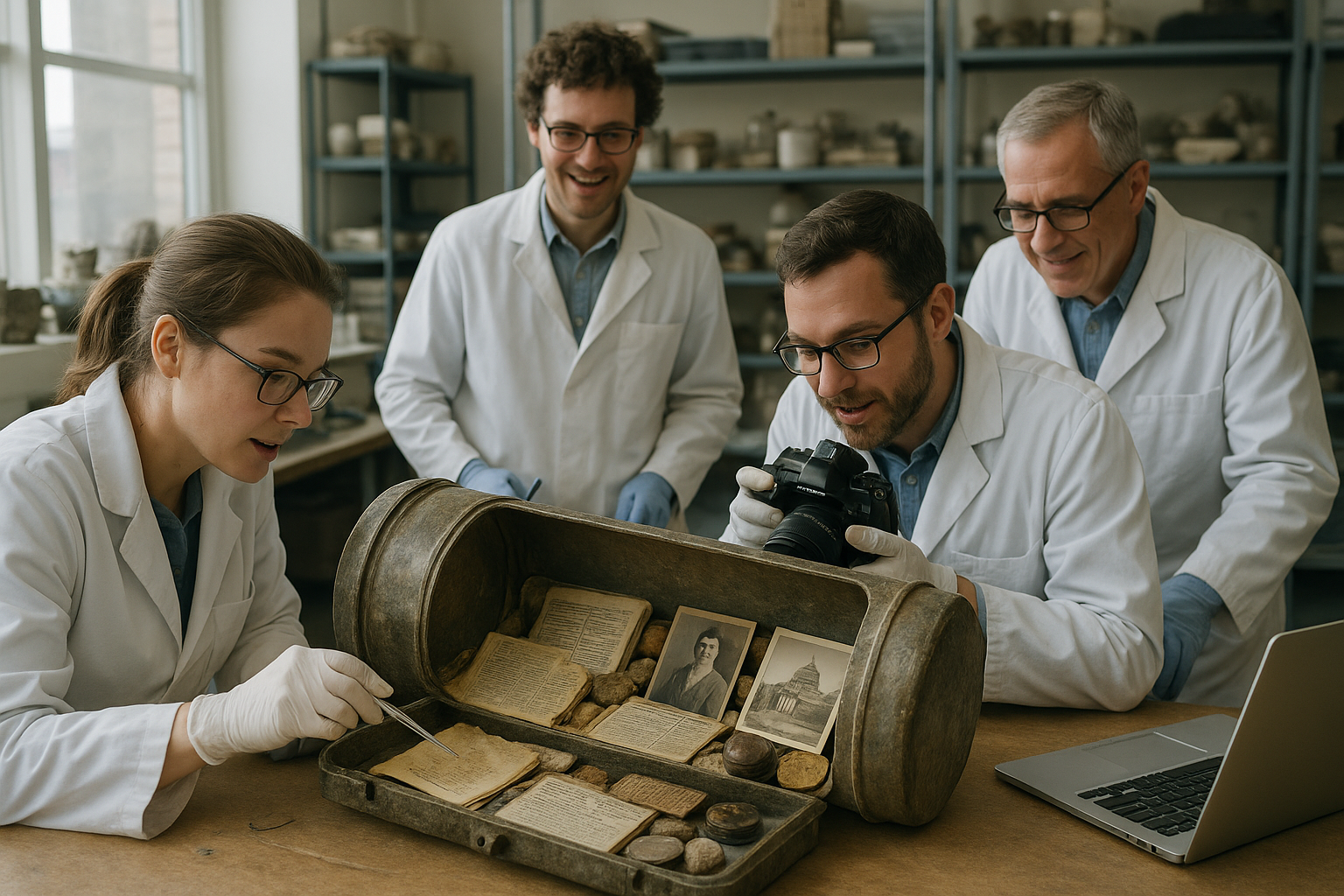
The process of discovering these capsules is a meticulous one, requiring patience, precision, and an insatiable curiosity. Archaeologists painstakingly sift through layers of earth, each scoop potentially revealing fragments of history. When a capsule is found, it becomes a portal to another time, offering clues about the people who created it and the circumstances under which it was buried. The contents of these capsules—whether they are clay tablets inscribed with ancient scripts, pottery shards, or personal items—provide a tangible connection to our shared human heritage.
Throughout this article, we will embark on a fascinating exploration of some of the most intriguing capsule discoveries in recent history. From the deserts of Egypt to the jungles of Central America, these findings have captivated scholars and enthusiasts alike. We will delve into the significance of these discoveries, examining how they have enriched our understanding of ancient civilizations and reshaped historical narratives.
One of the most iconic discoveries, the unearthing of the Rosetta Stone, revolutionized our understanding of Egyptian hieroglyphs. This artifact, akin to a linguistic capsule, bridged the gap between the ancient and modern worlds, unlocking the secrets of a language that had been lost for centuries. Similarly, the discovery of the Dead Sea Scrolls in the mid-20th century offered profound insights into the religious and cultural practices of the ancient Near East. 📜 These documents, preserved in earthenware jars, provided a glimpse into the spiritual life of a people whose beliefs have echoed through millennia.
But the intrigue does not end with written documents. The discovery of the Terracotta Army in China revealed a burial site like no other, with thousands of life-sized figures guarding the tomb of the first Emperor of China, Qin Shi Huang. This discovery not only showcased the artistic and military prowess of the time but also offered a deep dive into the beliefs surrounding death and the afterlife in ancient Chinese culture.
As we journey through these remarkable discoveries, we will also address the technological advancements that have transformed the field of archaeology. Modern techniques such as ground-penetrating radar, 3D modeling, and DNA analysis have allowed researchers to uncover secrets that were once thought to be buried forever. These innovations have not only enhanced our ability to locate and preserve capsules but have also provided new avenues for interpreting their contents.
Moreover, the ethical considerations surrounding these discoveries will be discussed, as the excavation and preservation of ancient capsules must balance the thirst for knowledge with respect for cultural heritage. The role of local communities, the importance of preserving sites for future generations, and the responsibilities of archaeologists in the stewardship of history are all crucial aspects of this dialogue.
Join us as we delve into the captivating world of ancient capsules, where each discovery is a key to unlocking the mysteries of our past. Together, we will uncover the stories that these capsules tell and explore the impact they have on our understanding of history, culture, and the very essence of human experience. Prepare to be transported across time and space, as we embark on this extraordinary journey through the ages. 🌍
Conclusion
## Conclusion
The discovery and exploration of ancient time capsules continue to reshape our understanding of human civilization, offering intimate glimpses into the lives, values, and aspirations of people who lived centuries or even millennia ago. These remarkable artifacts serve as bridges across time, connecting us to ancestors we’ll never meet but whose experiences, hopes, and daily struggles weren’t so different from our own. Whether it’s a cornerstone box from a Victorian-era building, a sealed vessel buried beneath an ancient temple, or personal items hidden away during times of conflict, each time capsule tells a unique story that enriches our collective human narrative.
What makes these discoveries particularly fascinating is their unpredictability. Unlike carefully curated museum collections or deliberately preserved historical records, time capsules often contain the mundane alongside the monumental—a child’s toy next to official documents, a handwritten recipe beside formal proclamations. This authentic snapshot of everyday life provides historians and archaeologists with invaluable context that formal records simply cannot capture. These objects remind us that history isn’t just about dates, wars, and political movements; it’s about real people living real lives, leaving behind pieces of themselves for future generations to discover.
As we continue to unearth these precious windows into the past, we’re also creating our own time capsules for future generations. The question becomes: what are we preserving today that will captivate and inform people a hundred or a thousand years from now? Will our digital records survive as well as clay tablets and sealed containers? The ancient time capsules we discover today not only teach us about where we’ve been but also challenge us to think carefully about what legacy we’re leaving behind for those who will one day look back at our era with the same wonder and curiosity we feel when opening these ancient treasures.