Imagine walking through a dimly lit museum corridor, your footsteps echoing softly against the marble floors. Around you stand imposing ancient statues, each a silent guardian of history, their stony gazes fixed on a point somewhere beyond time. But what if these statues held more than just their visible, weathered surfaces? What if, hidden within their stony exteriors, lay secrets waiting to be discovered? 🗿🔍

Welcome to the intriguing world of hidden artifacts within ancient statues—a realm where art meets mystery, and archaeology meets detective work. This article delves into the fascinating practice of unlocking the secrets trapped within these historic sculptures. Far from being mere relics of bygone eras, many of these statues are veritable treasure troves, containing objects that can offer unprecedented insights into ancient civilizations.
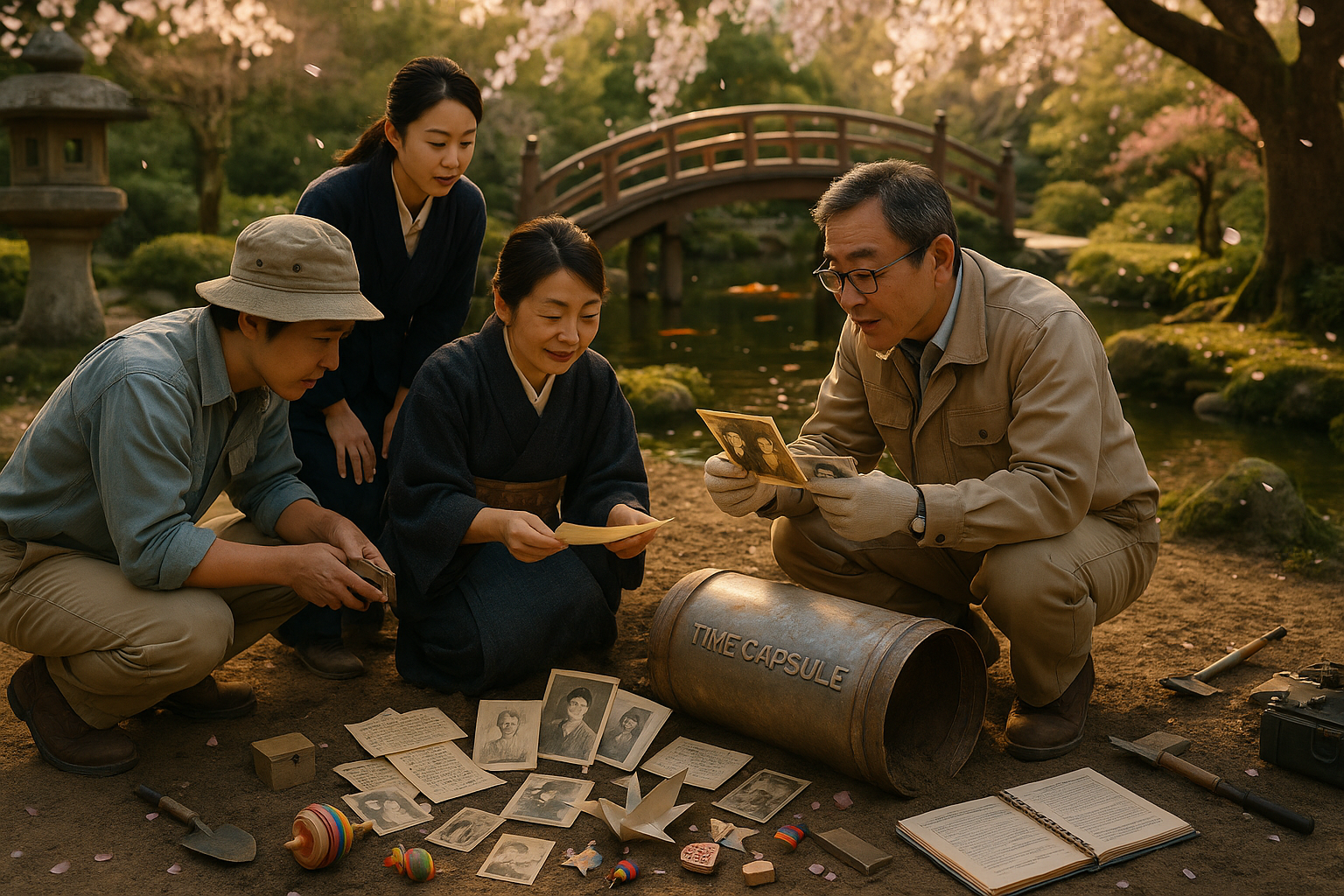
Why did ancient artisans conceal objects within their creations? The reasons are as varied as the cultures they hail from. Some civilizations used these hidden artifacts as time capsules, preserving items of significance for future generations. Others did so for spiritual or religious reasons, believing that these hidden items would protect or empower the statue’s spirit. This journey through history promises to be as enlightening as it is captivating.
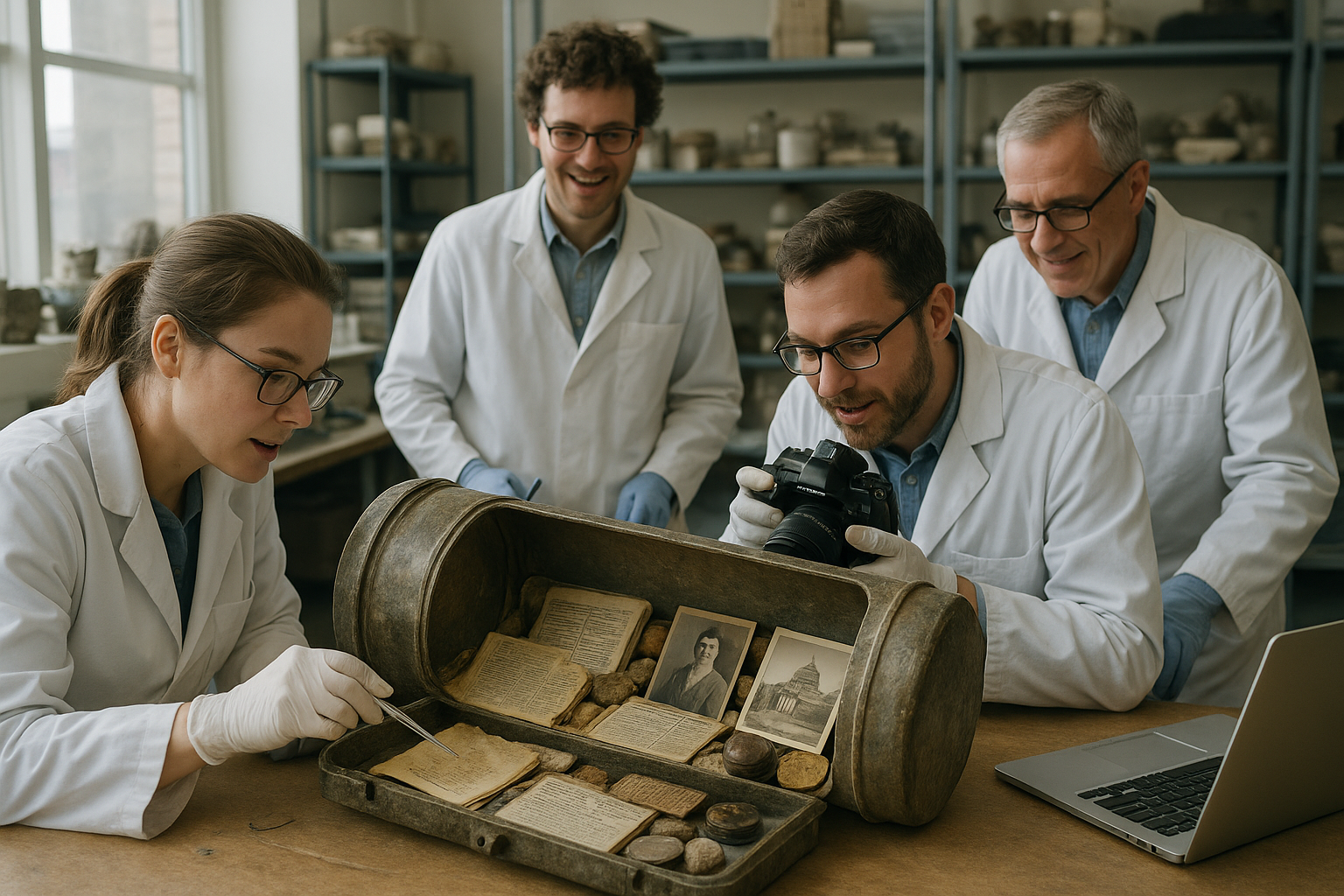
The technology used to discover these hidden artifacts has evolved significantly over the years. From rudimentary methods of tapping and probing to state-of-the-art techniques like X-ray fluorescence and CT scanning, the tools of the trade have become as sophisticated as the treasures they reveal. These technologies not only protect the integrity of the statues but also allow us to peek into their hidden chambers without causing damage. 🛠️✨
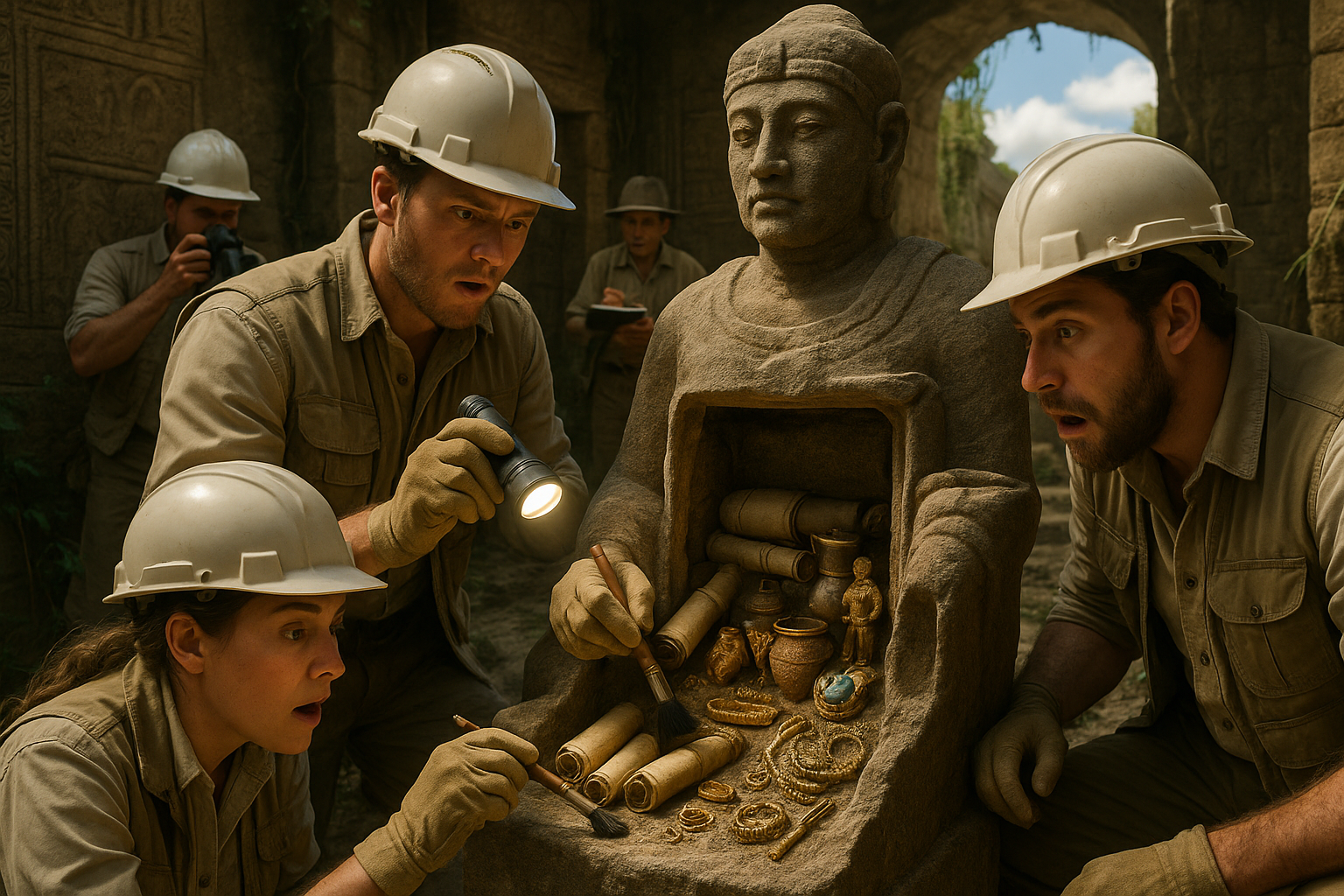
Throughout this exploration, we’ll uncover some of the most remarkable discoveries made inside ancient statues. From scrolls containing lost literature to personal items like coins, jewelry, and even embalmed remains, these hidden artifacts tell stories that textbooks often miss. Each find provides a new piece of the puzzle, offering clues about the people who created and revered these statues.
But it’s not just about what we find; it’s also about what these discoveries teach us. These artifacts offer valuable insights into the social, religious, and economic fabrics of ancient societies. By studying them, historians and archaeologists can piece together a more comprehensive picture of the past, shedding light on everything from daily life to broader cultural practices.
We will also explore some of the most famous statues that have revealed hidden secrets. The journey will take us from the enigmatic statues of ancient Egypt to the serene Buddhas of Asia, and the classical sculptures of Greece and Rome. Each culture, with its unique artistry and intentions, contributes to this global tapestry of hidden wonders.
Moreover, we’ll discuss the ethical considerations involved in this field of study. As we probe deeper into these ancient creations, we must balance the thirst for knowledge with respect for cultural heritage. The debate around preserving versus probing raises important questions about our responsibilities as stewards of history.
In essence, this article is not just about uncovering artifacts; it’s about understanding the profound connections between the past and present. Each hidden item is a whisper from history, urging us to listen, learn, and preserve these stories for future generations.
So, are you ready to embark on this journey through time? As we delve into the mysteries contained within these silent stone guardians, prepare to be amazed by the tales they hold. Whether you’re a history enthusiast, an archaeology buff, or simply curious about the secrets of the past, this exploration promises to be a captivating adventure into the heart of ancient art and mystery. 🌍📜
Conclusion
## Conclusion
The ancient statues that have stood silently for centuries are finally beginning to reveal their most closely guarded secrets. Through the remarkable combination of modern technology and traditional archaeological methods, researchers continue to uncover hidden chambers, lost pigments, coded inscriptions, and sophisticated construction techniques that challenge everything we thought we knew about ancient civilizations. These discoveries remind us that our ancestors possessed far greater knowledge and artistic sophistication than previously credited. The vibrant colors that once adorned marble sculptures, the astronomical precision embedded in monumental works, and the symbolic messages carved into stone all paint a picture of cultures deeply connected to their environment, their beliefs, and their desire to communicate across the ages.
What makes these revelations particularly exciting is that we’re only scratching the surface. Each statue examined with new imaging technology, every ancient workshop excavated, and every pigment analyzed opens up new questions and possibilities. The religious significance of certain poses, the political messages hidden in plain sight, and the advanced metallurgical skills required to create bronze masterpieces all contribute to a richer understanding of human history. These findings also force museums and institutions worldwide to reconsider how they present these artifacts, moving away from the stark white marble aesthetic that has defined classical art for centuries toward a more authentic representation of the past.
As technology continues to advance and more researchers dedicate themselves to unlocking these ancient mysteries, we can expect even more groundbreaking discoveries in the years ahead. The statues that have witnessed the rise and fall of empires, survived wars and natural disasters, and captivated viewers for millennia still have stories to tell—we’ve simply learned how to listen more carefully to their silent testimony.