
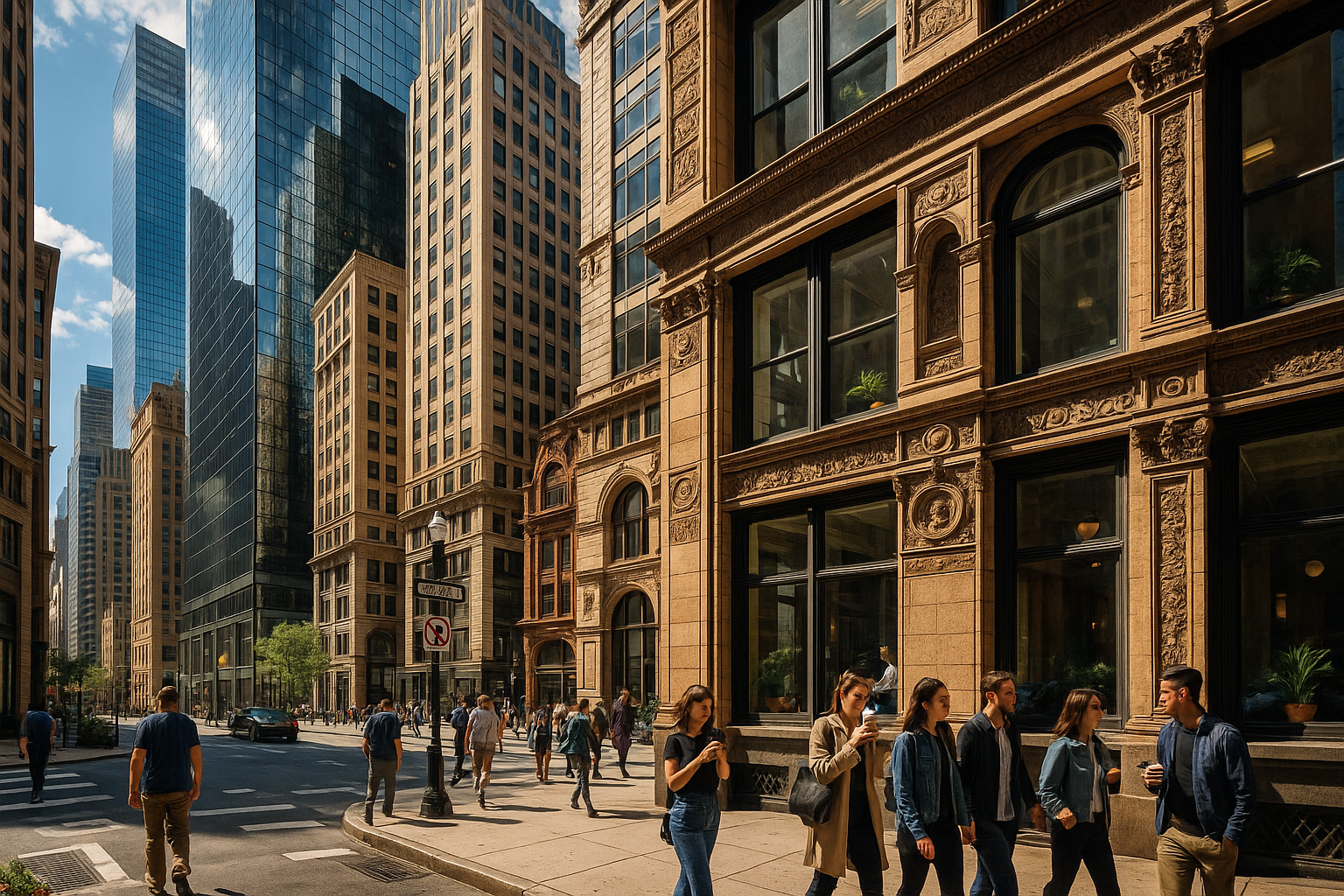
Have you ever walked through a city, surrounded by towering buildings, and wondered what stories they might tell if they could speak? The world of architecture is like a silent storyteller, with every structure whispering secrets of the past and hidden messages waiting to be uncovered. From ancient monuments to modern skyscrapers, buildings are more than just bricks and mortar—they are embodiments of culture, art, and history.

Throughout history, architects and builders have embedded messages within their creations, using architecture as a medium to express ideas, beliefs, and even political statements. 🏛️ These hidden messages are often overlooked by the casual observer, but once you start to notice them, you’ll find a new dimension to explore in every corner of your city.
In this article, we will delve into the fascinating world of architectural symbolism and hidden messages, revealing the secrets lurking behind the facades of buildings. We will explore how architects use design elements to convey powerful messages, and how these messages reflect the society and era in which the buildings were constructed. Whether it’s through intricate carvings, strategic use of space, or the careful selection of materials, buildings have a unique language of their own.
One of the first aspects we will examine is the historical context of architectural symbolism. Understanding the time period in which a building was constructed can provide valuable insights into the messages it conveys. For example, Gothic cathedrals with their soaring spires and intricate stained glass windows were not only places of worship but also symbols of the divine reaching towards the heavens. 🌌 These structures were meticulously designed to inspire awe and reverence, communicating the power and glory of the church to all who entered.
Moving to more recent times, we will look at how modern architecture uses minimalism and simplicity to deliver its own set of messages. In a world where less is often more, the sleek lines and open spaces of contemporary buildings can reflect a society’s values of efficiency, transparency, and progress. Yet, even within these minimalist designs, there is room for subtle symbolism and storytelling.
We will also explore how cultural influences shape architectural messages. Buildings in different parts of the world tell unique stories, reflecting the local customs, religious beliefs, and historical events that have shaped the region. In Asia, for example, the use of feng shui principles in building design reflects a deep connection with nature and harmony. Meanwhile, the ornate palaces of Europe showcase the opulence and grandeur of past monarchies.
But it’s not just the grand structures that have stories to tell. Even everyday buildings, like schools, libraries, and homes, carry hidden messages in their design. The layout of a school, for instance, can reveal educational philosophies, while the architecture of a library might embody the quest for knowledge and enlightenment. 📚
In addition to uncovering these hidden messages, we will discuss the implications of architectural storytelling in today’s world. As cities continue to grow and evolve, the buildings we construct today will become the historical landmarks of tomorrow. The messages we choose to embed in our architecture will speak to future generations about who we are and what we value.
Finally, we will offer some practical tips on how to become a more observant and informed architectural explorer. By paying attention to details such as symmetry, materials, and spatial arrangements, you can start to decode the language of buildings and appreciate the rich tapestry of stories they have to offer.
So, whether you’re a seasoned architecture enthusiast or a curious newcomer, join us on this journey to uncover the secrets hidden within the walls of the world’s most fascinating buildings. Prepare to see your city in a whole new light as we reveal the silent stories waiting to be discovered in the built environment around us. 🏙️
Conclusion
## Conclusion
Architecture has always been more than mere shelter or functional design—it’s a language written in stone, steel, and glass that speaks across centuries. From the sacred geometry embedded in Gothic cathedrals to the political statements carved into brutalist government buildings, these hidden messages reveal the deepest values, fears, and aspirations of their creators. Understanding these subtle communications transforms how we experience the built environment around us. What once seemed like arbitrary design choices suddenly becomes rich with meaning, turning every building into a potential story waiting to be decoded.
The beauty of architectural symbolism lies in its ability to communicate across cultural and temporal boundaries. A visitor standing before the Pantheon in Rome today can still grasp the message of imperial power and divine connection that the ancient Romans intended, even without understanding Latin or Roman customs. Similarly, modern architects continue this tradition, embedding contemporary values like sustainability, equality, and innovation into their designs. Whether through the democratic openness of glass facades, the nostalgic references in postmodern ornamentation, or the environmental consciousness of green roofs, today’s buildings are still whispering their secrets to those willing to listen.
Next time you walk through your city or visit a historic site, take a moment to look beyond the surface. Notice the placement of windows, the choice of materials, the orientation of entrances, and the symbolic details that might otherwise go unnoticed. Consider what the architect might have been trying to say and what messages we’re leaving for future generations in the structures we build today. Architecture is ultimately a conversation between past, present, and future—and learning to read its hidden messages allows us to participate more fully in that ongoing dialogue.